
The trail offers breathtaking views, ancient Roman ruins, and tombs carved into glacial rocks. Depending on the route chosen, the trek takes a total of between two and five hours
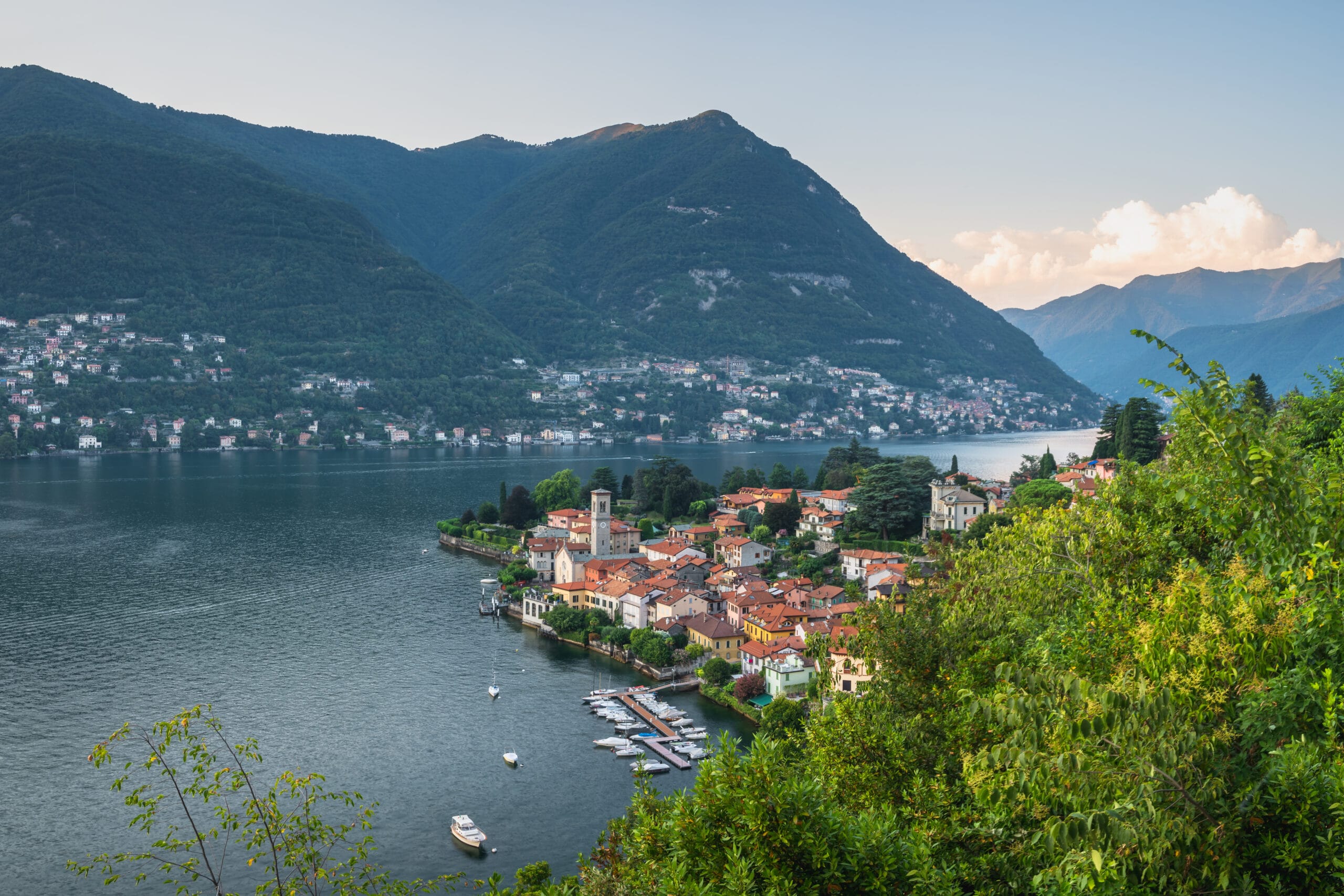
Lake Como is a true paradise for trekking enthusiasts. One of the area’s most popular trekking routes is the circular trail linking Torno, Piazzaga, and Montepiatto, offering spectacular lake views, ancient Roman remains, and prehistoric tombs carved into glacial erratic rocks. This journey through the centuries can take anywhere from two to five hours, depending on the chosen itinerary.
Surrounded by nature
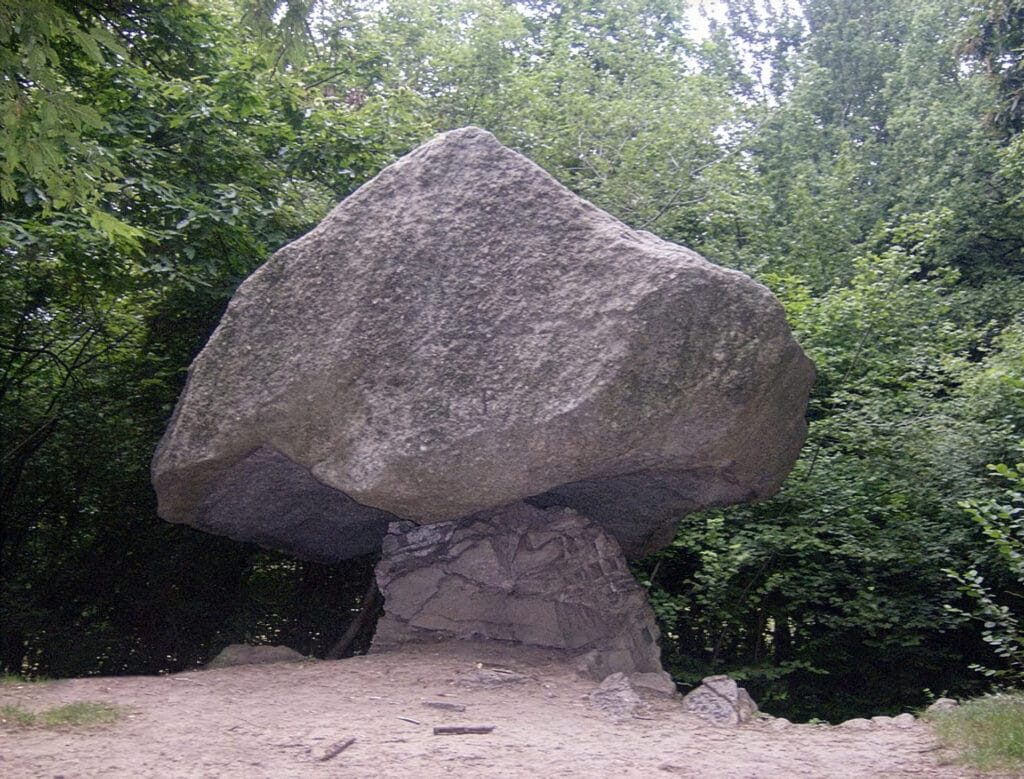
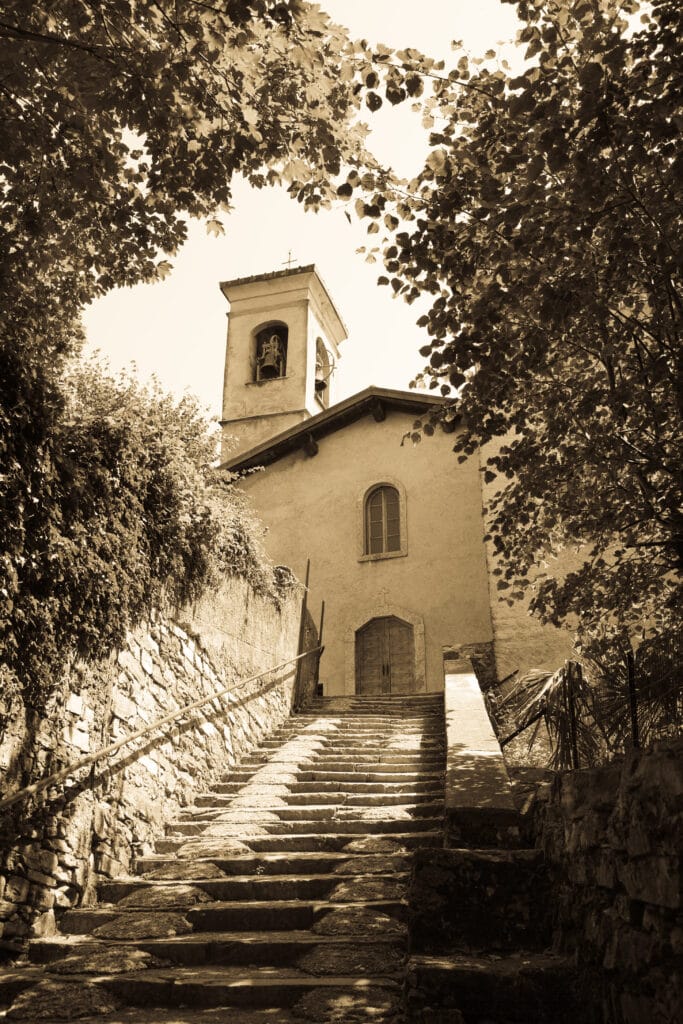
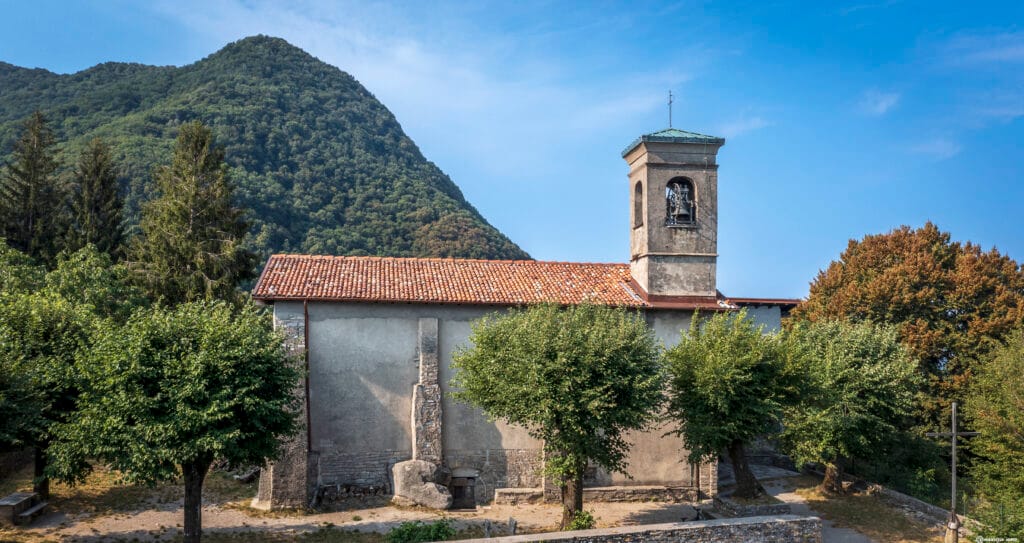
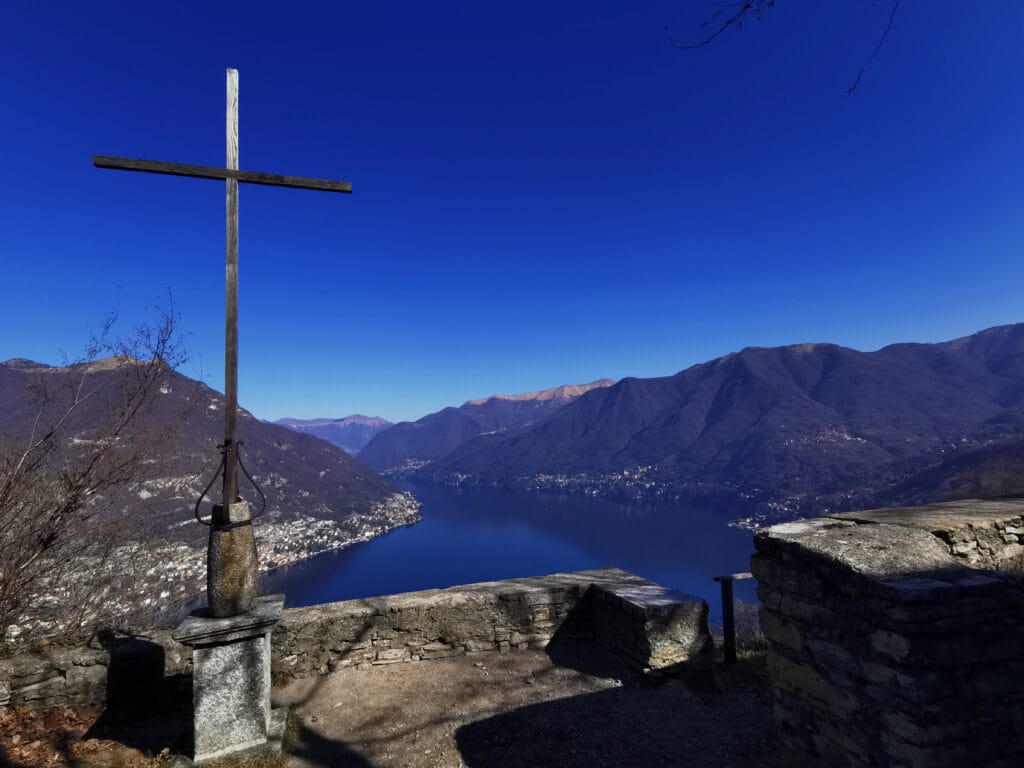
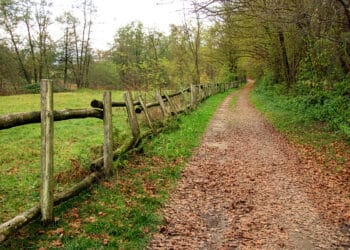
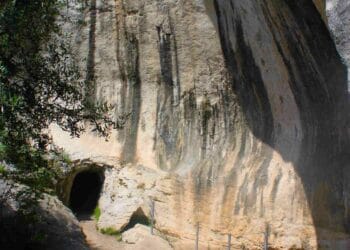
Before setting off, it is worth exploring the historic centre of Torno, one of the most picturesque villages in the area. Its narrow streets climb the hillside, while architecture lovers should visit the Church of Santa Tecla, overlooking the harbour square, and the 14th-century Church of San Giovanni Battista del Chiodo, where one of the nails used in Christ’s crucifixion is said to be preserved. The trail can be reached by crossing the main road that divides the village. The route starts in Piazza degli Alini, where trekkers can follow the red arrows marking the Strada Regia before turning left at the subsequent junctions toward Molina, Piazzaga, and Massi Avelli. The path follows a gently climbing stone mule track that passes fields and old farmhouses before opening onto magnificent views of Lake Como. Continuing along the trail, trekkers reach Porta Travaina, an arch believed to date back to Roman times. Beyond it, the vegetation becomes denser until the path emerges at a bridge spanning a lively mountain stream. After crossing the bridge, the trail forks. Taking the left branch leads to the Massi Avelli. These are glacial erratic boulders that have been hollowed out and used as burial chambers since prehistoric times. Known as the Avello del Maas, Avello di Resina, Avello delle Piazze, Avello di Negrenza, and Avello delle Cascine di Negrenza, they measure up to 180 cm in length and 80 cm in height. Information panels along the trail provide further insights into their fascinating history. From here, trekkers can either continue through the wood or return to the bridge and take the right-hand path. Both routes lead to Piazzaga, where visitors will find a traditional crotto -a rustic stone shelter typical of the region- and an open grassy area, perfect for a picnic lunch. Beyond the village, the mule track continues to Montepiatto, perched at 610 metres above sea level. The village’s main attraction is the Church of Santa Elisabetta and the adjacent convent, both dating back to the 16th century and, over the centuries, home to communities of monks and cloistered nuns. The open square surrounding the church offers one of the most breathtaking panoramic views of the lake. A short walk away, in the middle of a woodland clearing, stand two more remarkable glacial boulders: the Rock of Saint Charles Borromeo, where legend says the saint miraculously caused water to spring forth to quench his thirst, and the Pietra Pendula (“Hanging Stone”), a balancing rock with a distinctive mushroom-like shape. From Montepiatto, trekkers can either retrace their steps back to Torno or take the shorter mule track descending the mountain’s western slope.