
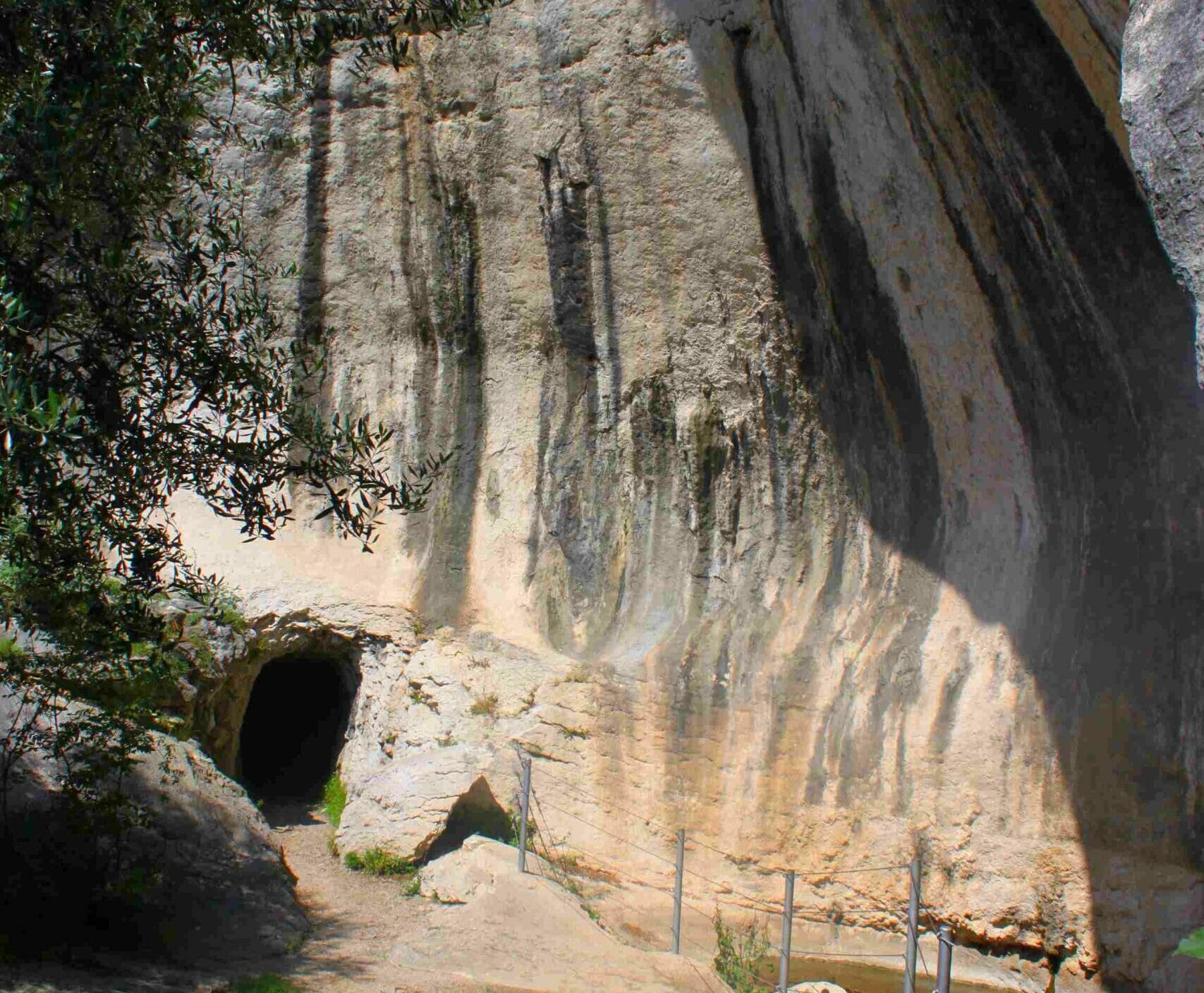
From the village of Nago-Torbole, an unmissable trail leads through breathtaking scenery, paths immersed in nature, and spectacular geological formations
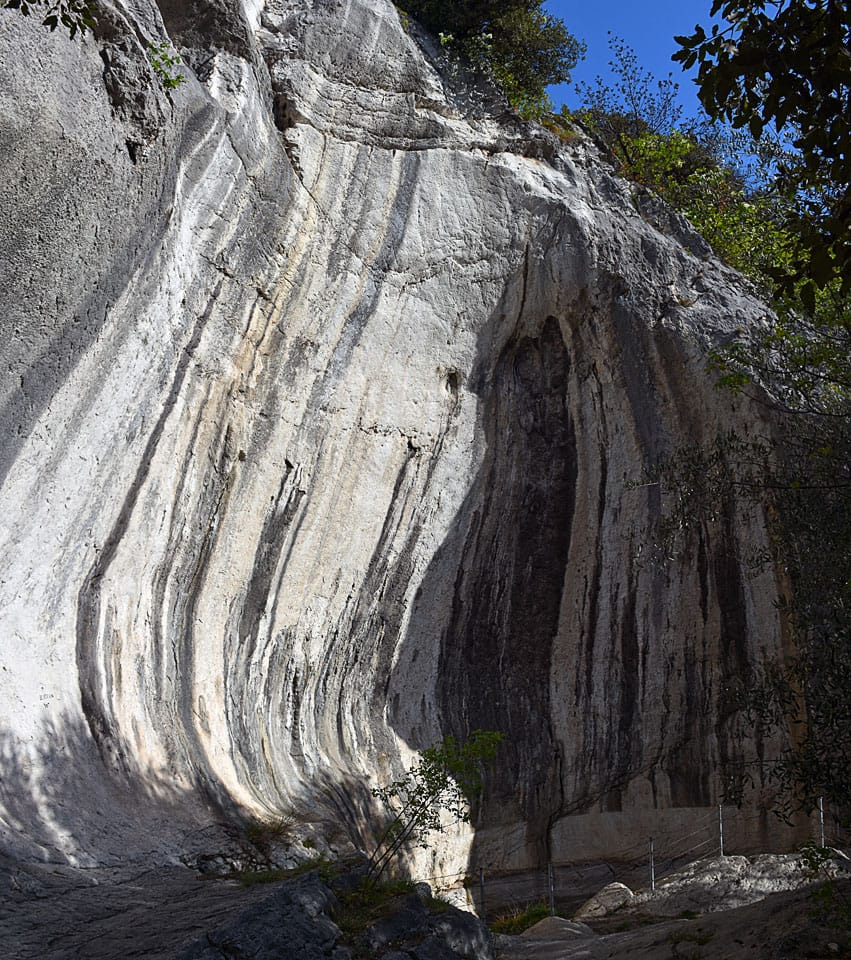
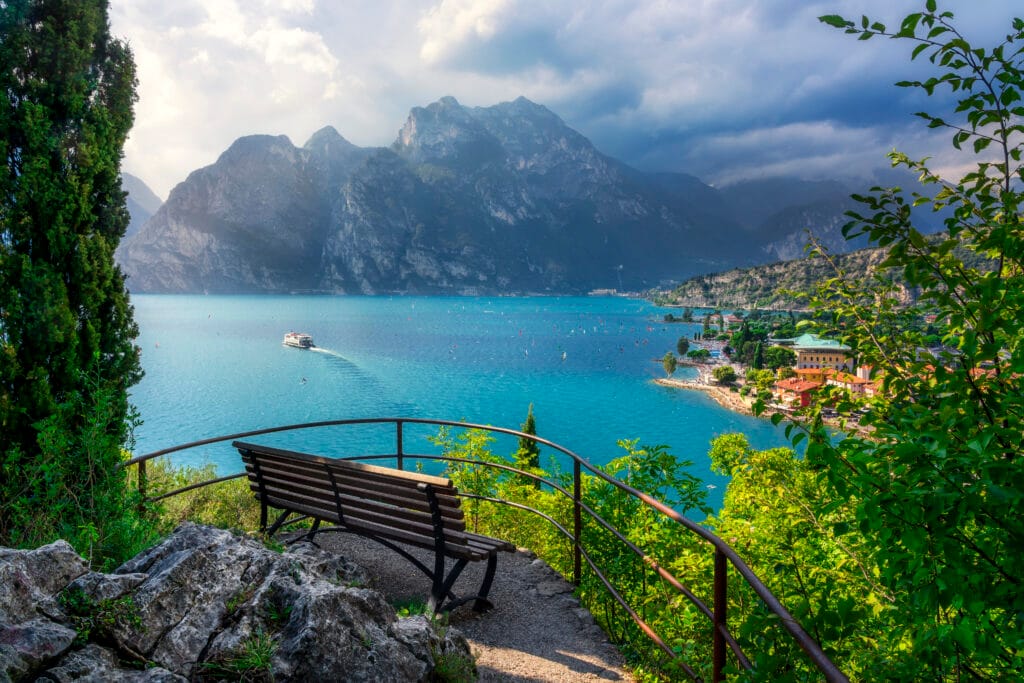
Nestled between the waters of Lake Garda and the slopes of Monte Baldo, Nago-Torbole is a place where nature, history, and landscape come together in remarkable harmony. Famous for its steady winds that attract sailors and windsurfers from across Europe, this corner of Trentino is also home to one of the most fascinating geological landmarks in the entire Lake Garda region: the Giants’ Kettles (Marmitte dei Giganti).
Between the lake, legends, and history
The lakeside village of Torbole sul Garda welcomes visitors with its charming waterfront, pastel-shaded houses, and picturesque harbour, which for centuries served as a landing place for fishermen and merchants. Here, the lake meets the mountains to create a truly unique landscape that has inspired artists and writers alike, including Johann Wolfgang Goethe, who was captivated by its beauty during his journey through Italy. Just a few minutes away lies Nago, overlooked by the ruins of its medieval castle and a spectacular panoramic terrace offering sweeping views over the northern reaches of Upper Garda. Here is the starting point of one of the area’s most rewarding walks—the trail leading to the famous Giants’ Kettles. Their name stems from ancient local folklore, which imagined them as enormous cauldrons once used by giants. Legend has it that anyone walking along the mountain paths can still catch the aroma of the soup that once simmered inside them. The reality is that these large, perfectly smoothed cavities are the result of a long natural process. They were formed thousands of years ago at the end of the last Ice Age. As the glaciers melted, torrents of water carrying stones and debris created powerful swirling currents that gradually drilled into the limestone bedrock. The result is a remarkable group of deep cylindrical potholes, some measuring several metres across, regarded as among the finest and best-preserved examples of this geological phenomenon in the Alps. The site is easily reached via a short walking trail winding through the Mediterranean vegetation that characterises this part of Garda. Along the route, among olive trees and cypresses, information panels explain the area’s geological history, helping visitors understand how the lake gradually acquired the shape we see today. This easy and engaging itinerary is suitable for the whole family, with plenty of panoramic viewpoints along the way for both adults and children to enjoy. Visiting the Giants’ Kettles is like stepping back in time to an age when immense glaciers shaped the landscape. It is an experience that adds another dimension to the discovery of Nago-Torbole, a destination renowned not only for sailing, windsurfing, and spectacular scenery, but also for the extraordinary natural heritage preserved among its ancient rocks.