
In Mercurago, on the hills above Arona, 473 hectares of peat bogs, woodlands and meadows protected since 1980
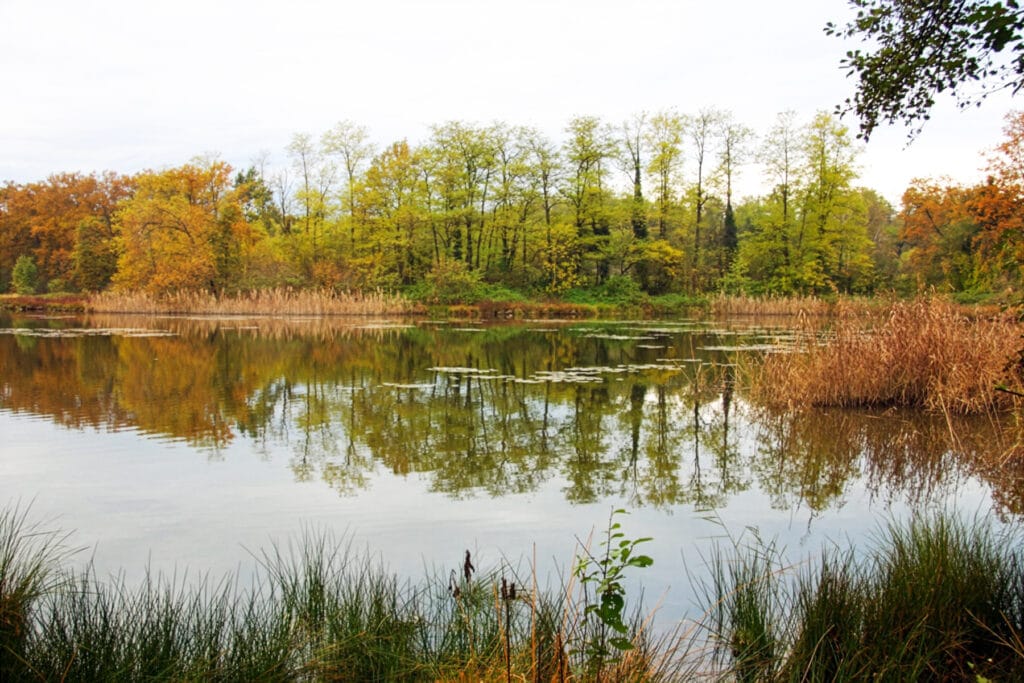
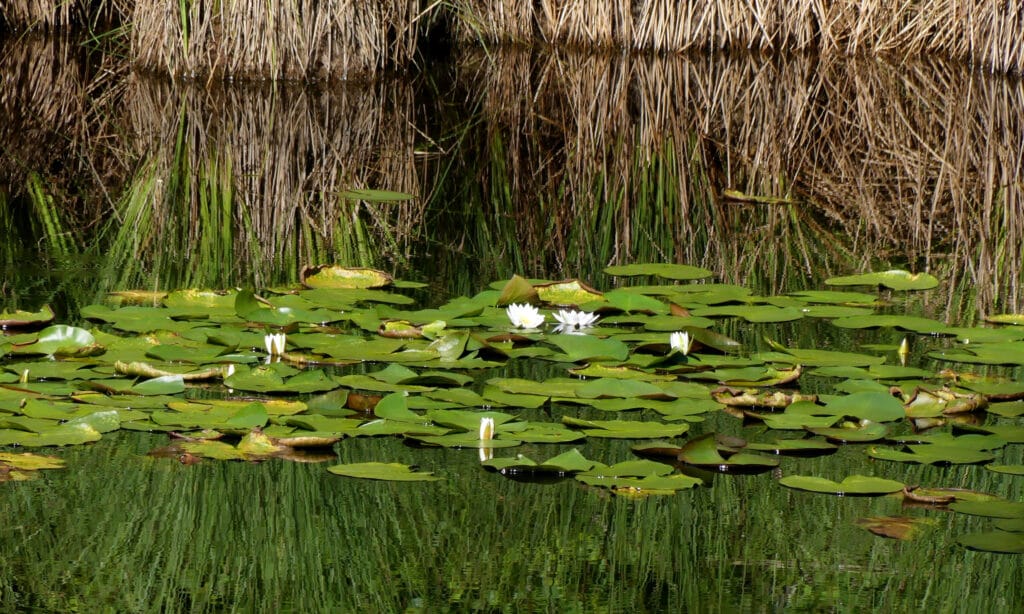
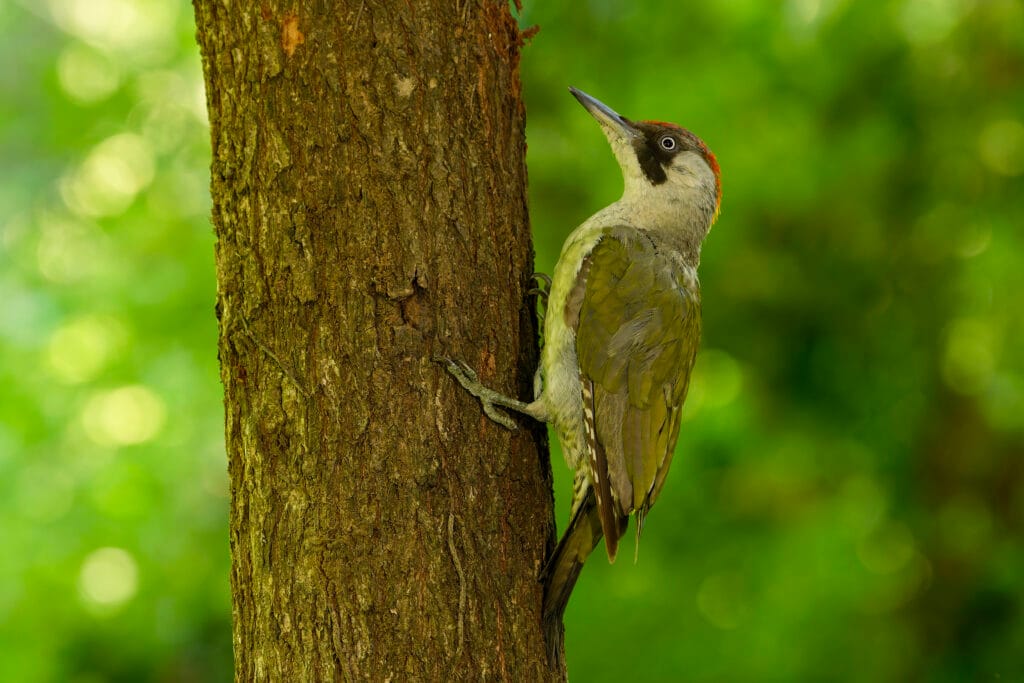
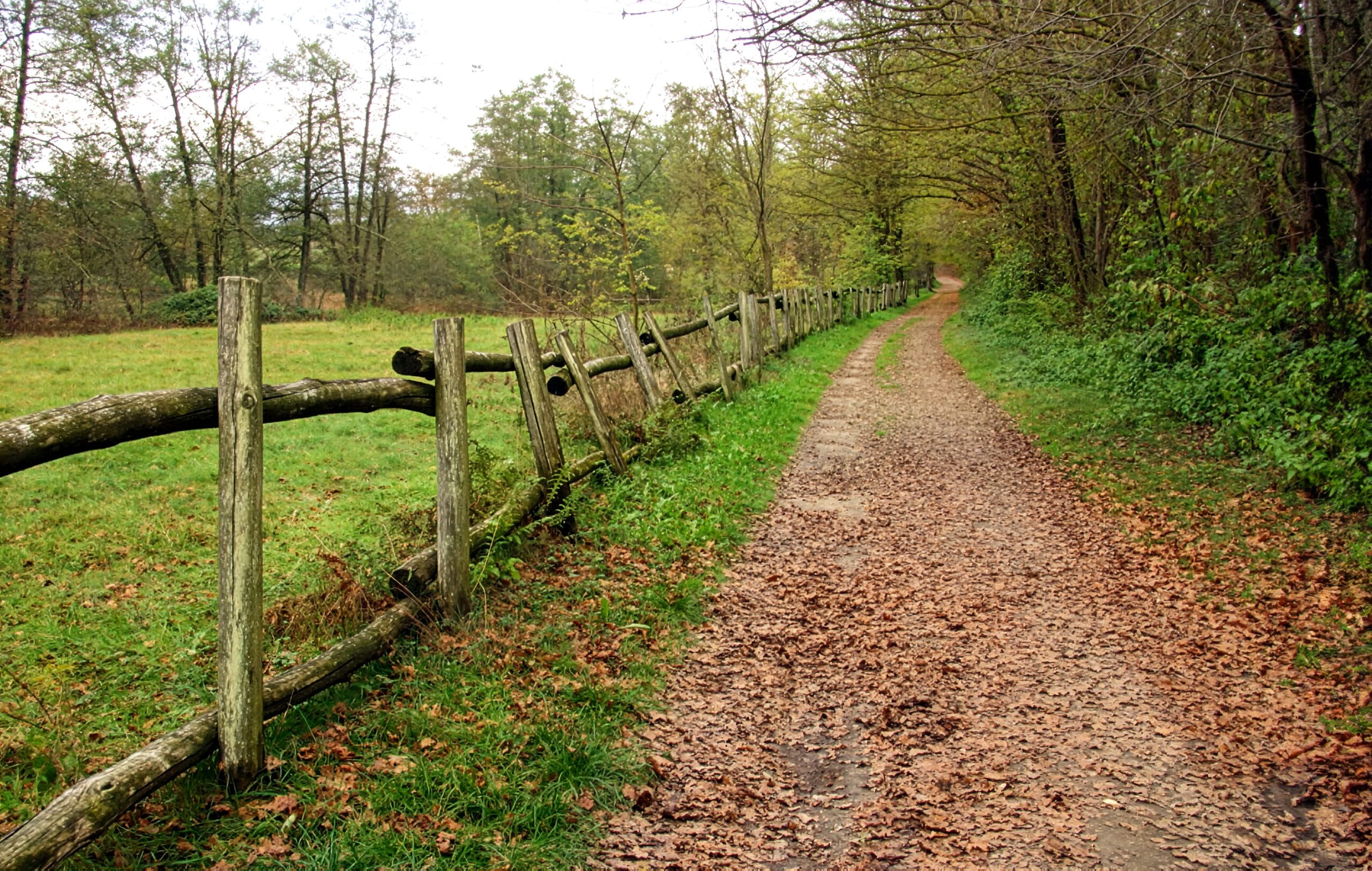
Just a few minutes’ drive from the centre of Arona, climbing the hills that border the western shore of Lake Maggiore, the landscape changes dramatically. The lake gives way to a very different natural setting. Brown signs bearing the kingfisher emblem mark the entrance to the Lagoni di Mercurago Natural Park, a protected area spanning 473 hectares across the municipalities of Arona, Dormelletto, Comignago and Oleggio Castello, an area protected since 1980, and now managed by the Ticino and Lake Maggiore Protected Areas Authority. The main entrance, home to the park headquarters and visitor centre, is located in Mercurago, a hamlet of Arona, on Via Gattico. The park’s wetlands are its defining feature, both geographically and ecologically. Ponds, marshes and peat bogs fill the basins carved out by the glacier that retreated around 10,000 years ago, leaving behind the distinctive morainic hills that still shape the landscape today. Wetland habitats like these have become increasingly rare across the Po Valley, and it is precisely their ecological fragility that led to the area’s protection as early as the late 1970s. The vegetation that grows there is a small catalogue of marshland species, including water chestnut, water lilies, common reed, cattails and sedges. In the woodland undergrowth, lily of the valley blooms in spring. Visitors joining one of the park’s guided tours can discover details that often escape the untrained eye, from aquatic plants to the amphibians inhabiting the ponds, including red and green frogs, tree frogs and toads. Woodland covers roughly three quarters of the park, with oak, chestnut, birch and ash trees, alongside small stands of conifers. Beneath the canopy an exceptionally rich fungal flora thrives, which has also yielded a noteworthy scientific discovery: Crepidotus roseornatus, a fungus recorded as the only known specimen ever found in Italy. Visitors with a little patience can spot the area’s wildlife. The park is home to mustelids, foxes, squirrels, small rodents, hares, insectivores, reptiles and countless invertebrates. Birds, however, are the true stars, with more than 113 resident and migratory species recorded within the park. Alongside its rich wildlife, the park also preserves an important chapter of Italy’s sporting history. The meadows and riding grounds nestled among the woodlands were established decades ago by Federico Tesio, the legendary breeder who turned the Lake Maggiore area into the cradle of Italian thoroughbreds, and whose horses went on to triumph across Europe. Racehorse breeding remains one of the few human activities still carried out within the protected area, so deeply integrated into the landscape that it has become one of the park’s defining features.
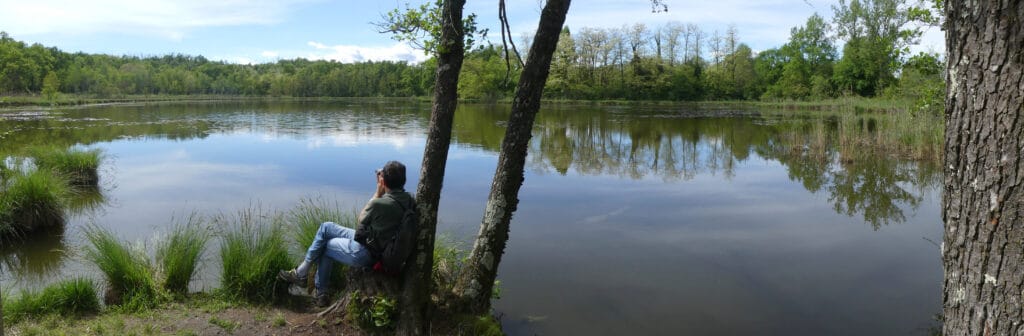
The hidden treasure beneath the peat bogs Yet the park’s greatest treasure lies beneath the ground. In 1860, archaeologists discovered wooden platforms and piles embedded in the peat of the Lagone bog. These were identified as the remains of prehistoric pile dwellings—the first such discovery ever recognised in Italy. Subsequent excavations unearthed a remarkable collection of artefacts, including a dugout canoe carved from a single tree trunk, ceramic vessels, hairpins, daggers, a bronze sword and spearhead, as well as fragments of wheels belonging to agricultural carts and a chariot. These finds revealed the remains of a Bronze Age settlement, later complemented by the discovery of several Roman-era domus. The site’s outstanding archaeological significance received international recognition in 2011, when the Lagoni became part of the UNESCO World Heritage Site Prehistoric Pile Dwellings around the Alps, a serial property comprising 111 archaeological sites across the Alpine region. The archaeological trail continues with two ancient necropolises. The Motto Lagone necropolis dates to the Golasecca culture (6th–5th century BC) and preserves ten box tombs built with large stone slabs. The Motto Caneva necropolis, dating from the Roman period (2nd–5th century AD), features a further ten burials constructed using a variety of materials and building techniques. The park’s network of trails is extensive enough to suit every type of visitor. You can walk, run, cycle, ride on horseback or even roller-skate, with short loops ideal for families and longer routes for those seeking a greater challenge. The area, also designated as a Site of Community Importance (SCI), is protected as part of a wider network that includes the Ticino Valley Park, the Fondo Toce Nature Reserve, the Dormelletto Reed Beds and the Bosco Solivo woodland, forming an interconnected system of protected landscapes linking the Ticino River with the Piedmont shore of Lake Maggiore.