
Just a few miles away from Malcesine, the beauties of a small town with a yesteryear atmosphere capable of inspiring a painter as great as Gustav Klimt, during his Lake Garda trip
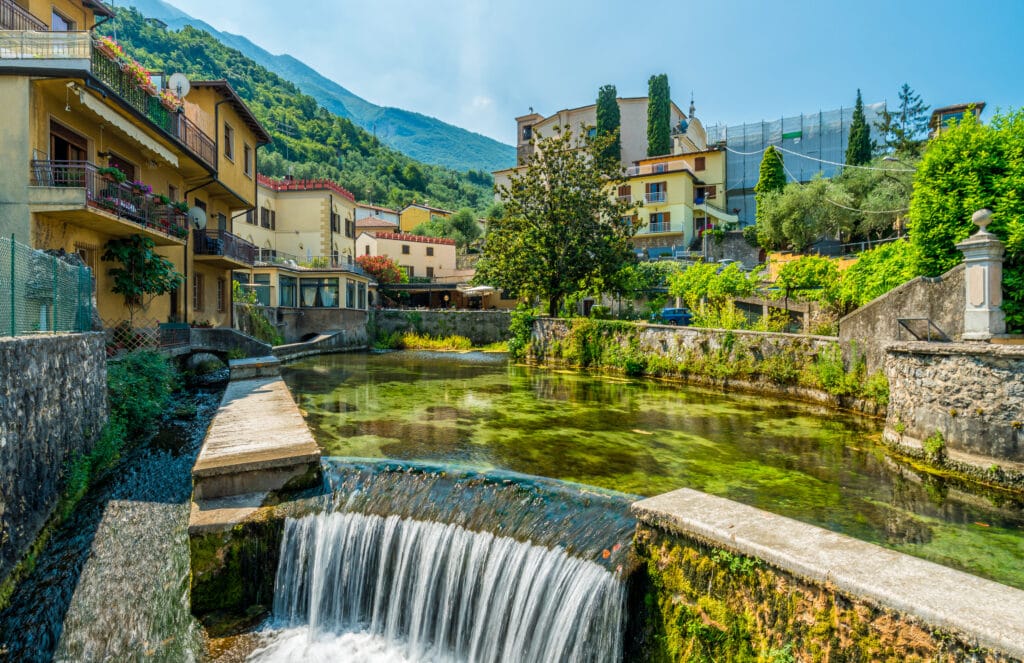
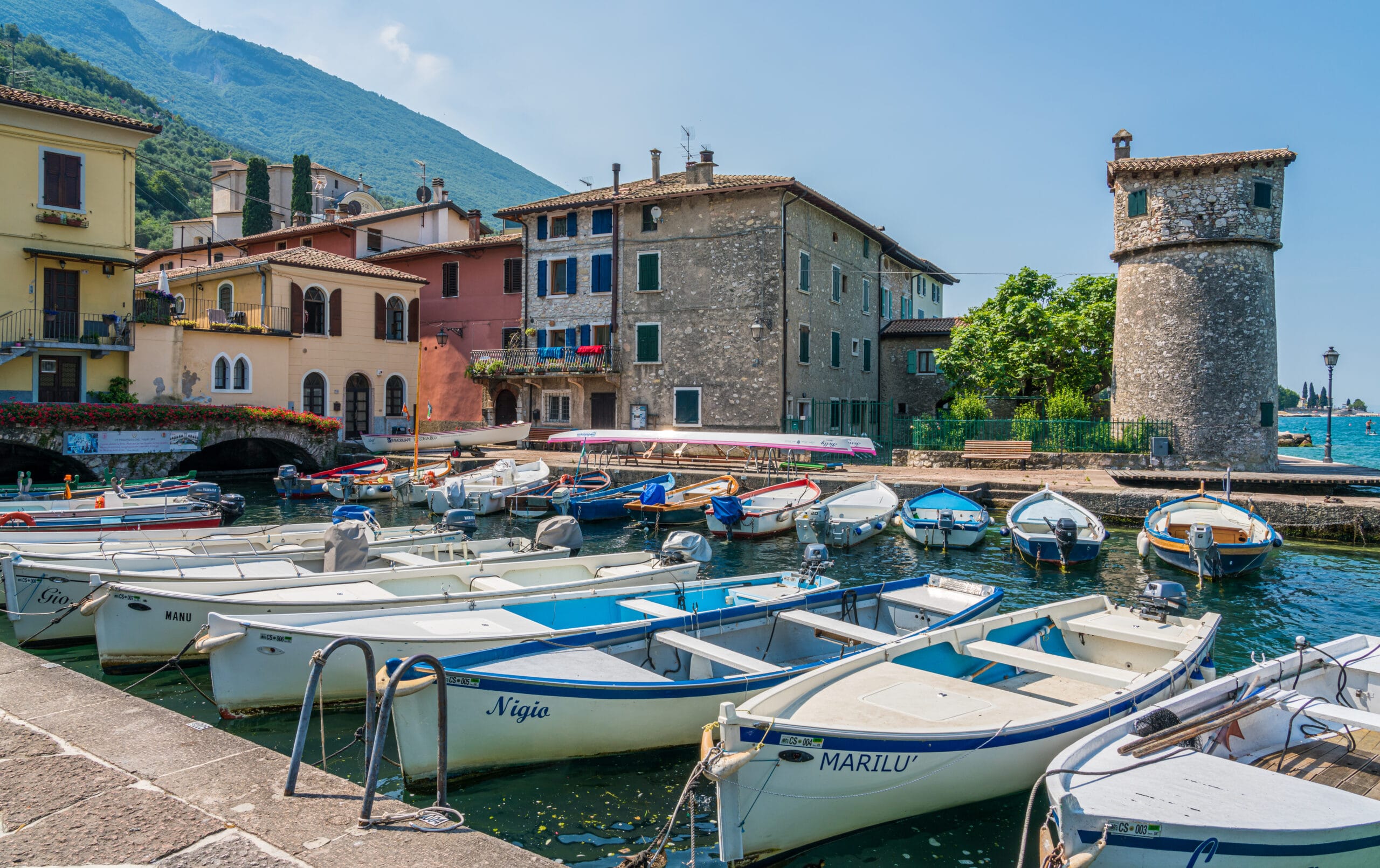
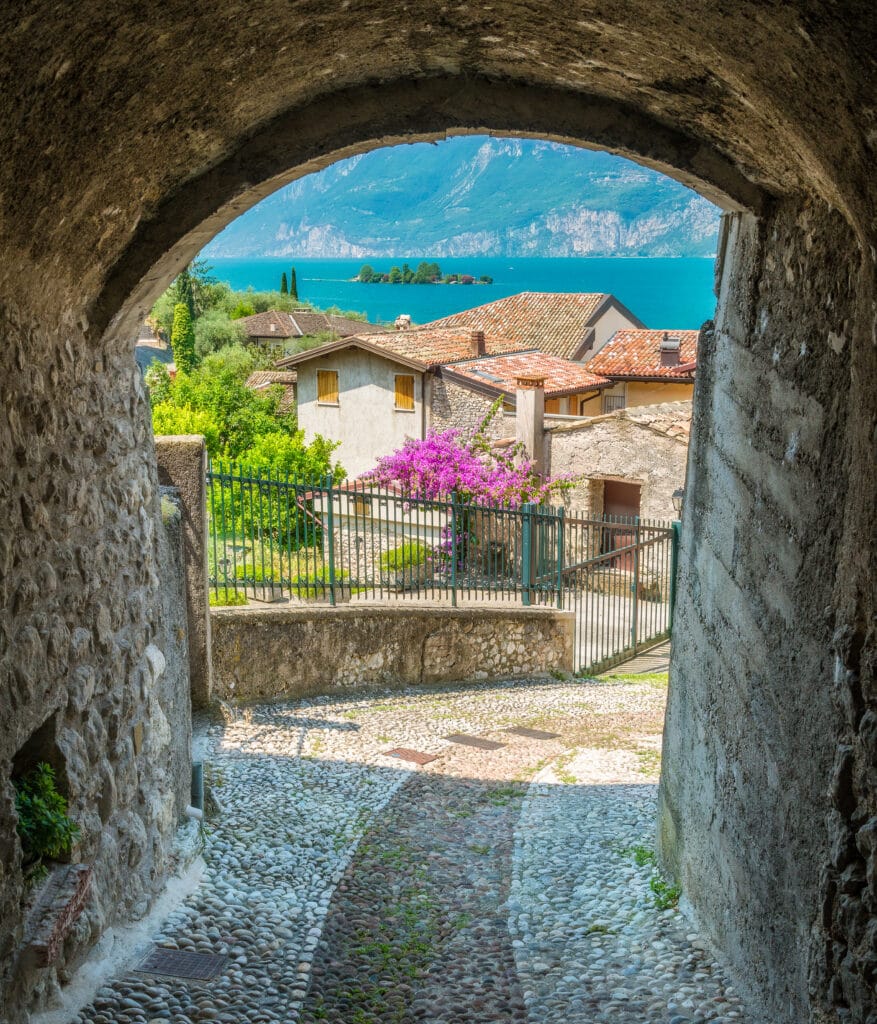
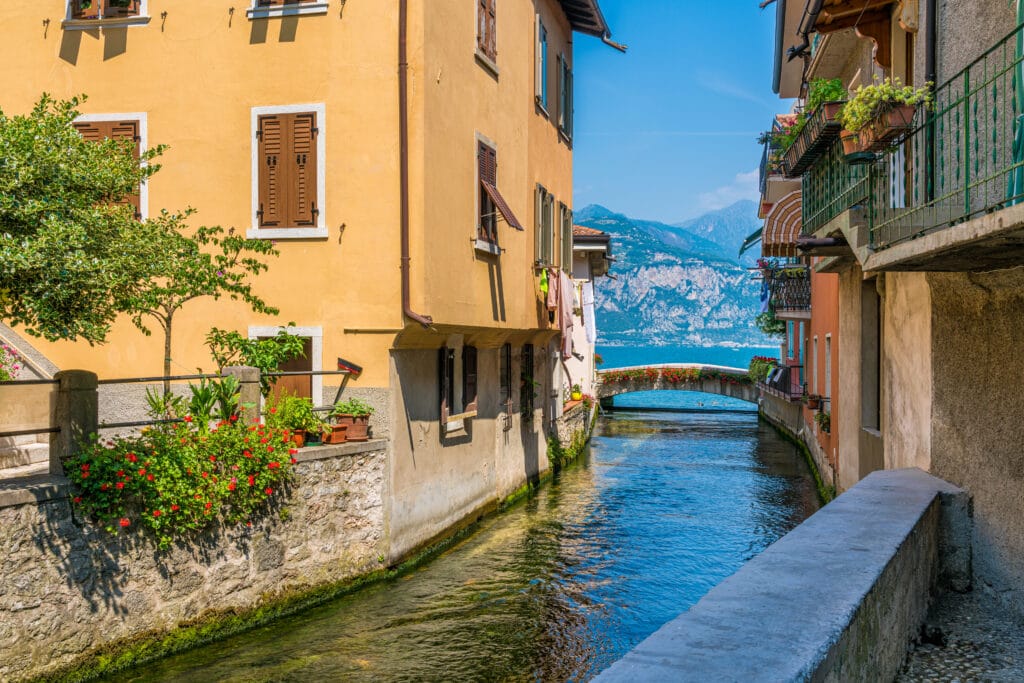
There’s a village on the Veneto side of Lake Garda in which time really does seem to stand still. Its old houses, narrow alleys, little bridges and a miniature port packed with colourful boats make Cassone, around 2.5 miles away from Malcesine, a not-to-be-missed destination for lovers of cosy atmospheres. You can get to it from the town famous for its Della Scala era castle on foot in around an hour on a pretty lakeside promenade, with unrivalled views over the lake and the mountains around it.
Picture postcard views
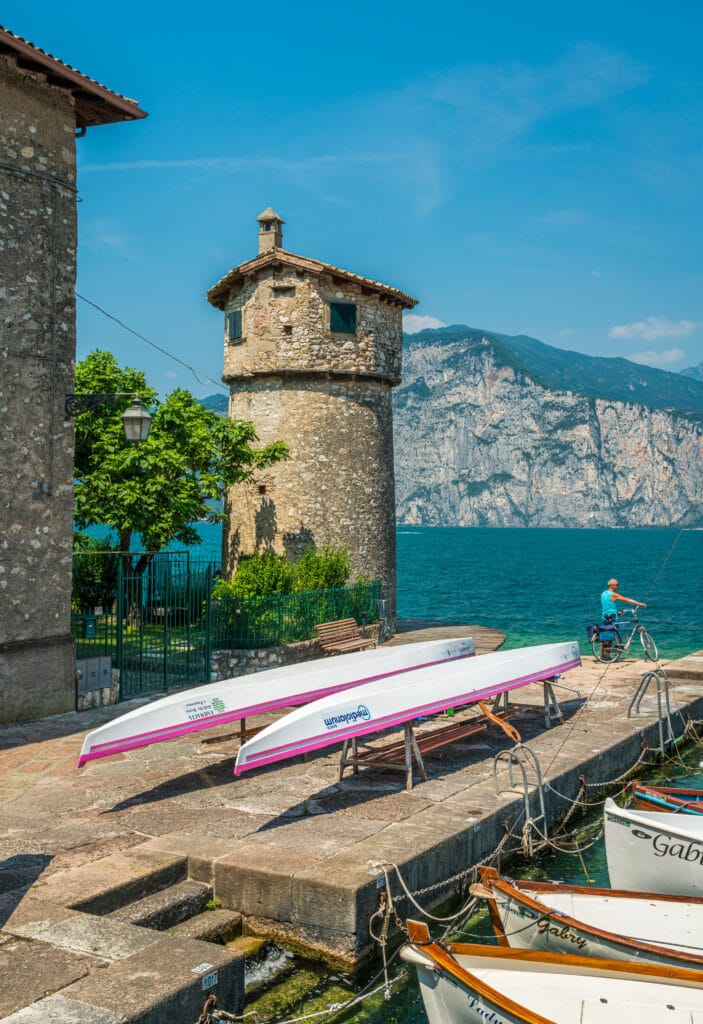
It seems impossible that such a small town, with its population of just a few hundred, could have so much to offer. Any visit has to start at the port, with its picture postcard views, as Cassone’s crucial resource over the centuries, given its historic fishing-related economy. It’s a tradition which continues today, thanks to the Museo del Lago e della Pesca, which opened in 2008, with its interesting collection of photographs and fishing- and everyday-life tools which have survived to our day. The backdrop to the boats and quays is Toresela, the perfectly conserved tower which is one of Cassone’s icons. Leaving the port and walking northwards soon takes you to a wonderful bronze sculpture made in 1987 by Spanish sculptor Luisa Granero Sierra depicting a young woman drying herself after a pleasant dip in Lake Garda. But this is by no means the town’s only art connection. In fact, it inspired no less a painter than the great Viennese artist Gustav Klimt, who treated himself to a long stay in upper Garda in 1913, where he produced three paintings, including Kirche in Cassone, the Cassone church. He painted it from a rented room in Tremosine on the Brescia side of the lake, as he wanted to observe and paint the Malcesine area from afar. Another painting from this era, Malcesine am Gardasee, is suffused with mystery. Believed to have been destroyed when the SS burnt down Immendorf Castle on 8 May 1945, theories are now circulating that it was actually stolen and may have survived.