
Sustainable transport, water rescue and joint safety drills: this is how cooperation between institutions and operational forces strengthens Lake Maggiore transport and safety
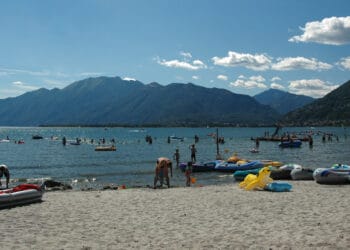
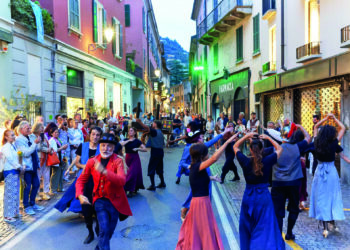
“Public transport on Lake Maggiore plays a key role in the Novara area’s sustainable transport, ensuring ongoing and everyday connections between the various lakeside towns and villages for passengers, vehicles and goods, serving not only local commuters but also a tourism sector which is constantly evolving, benefiting urban traffic, especially in peak periods, which the system responds to with additional and modified services”, says Francesco Garsia, Novara Prefect.
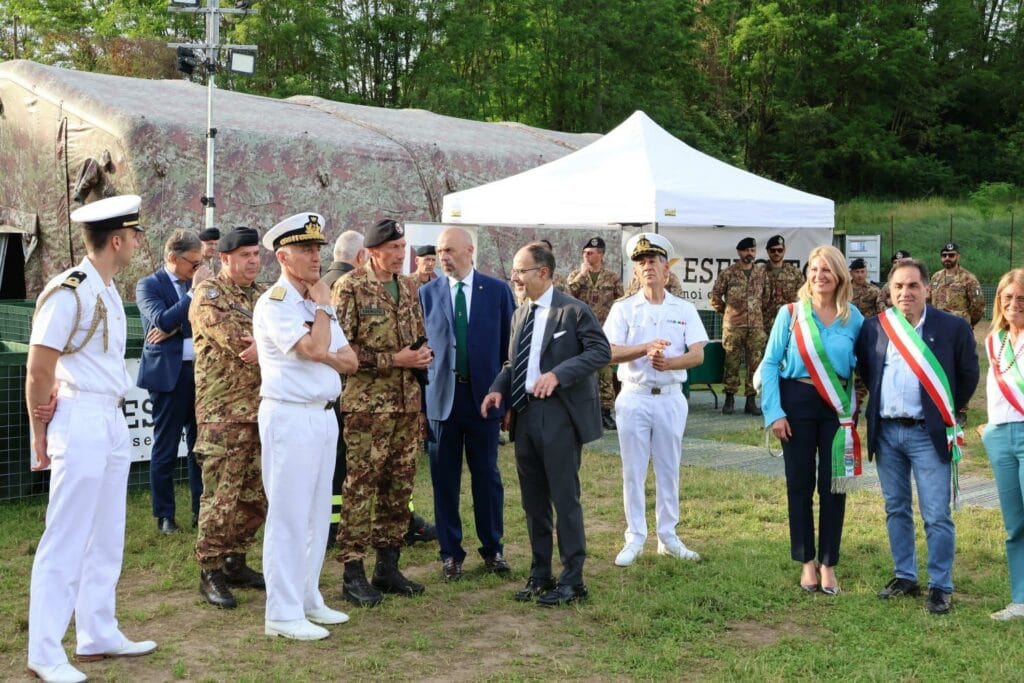
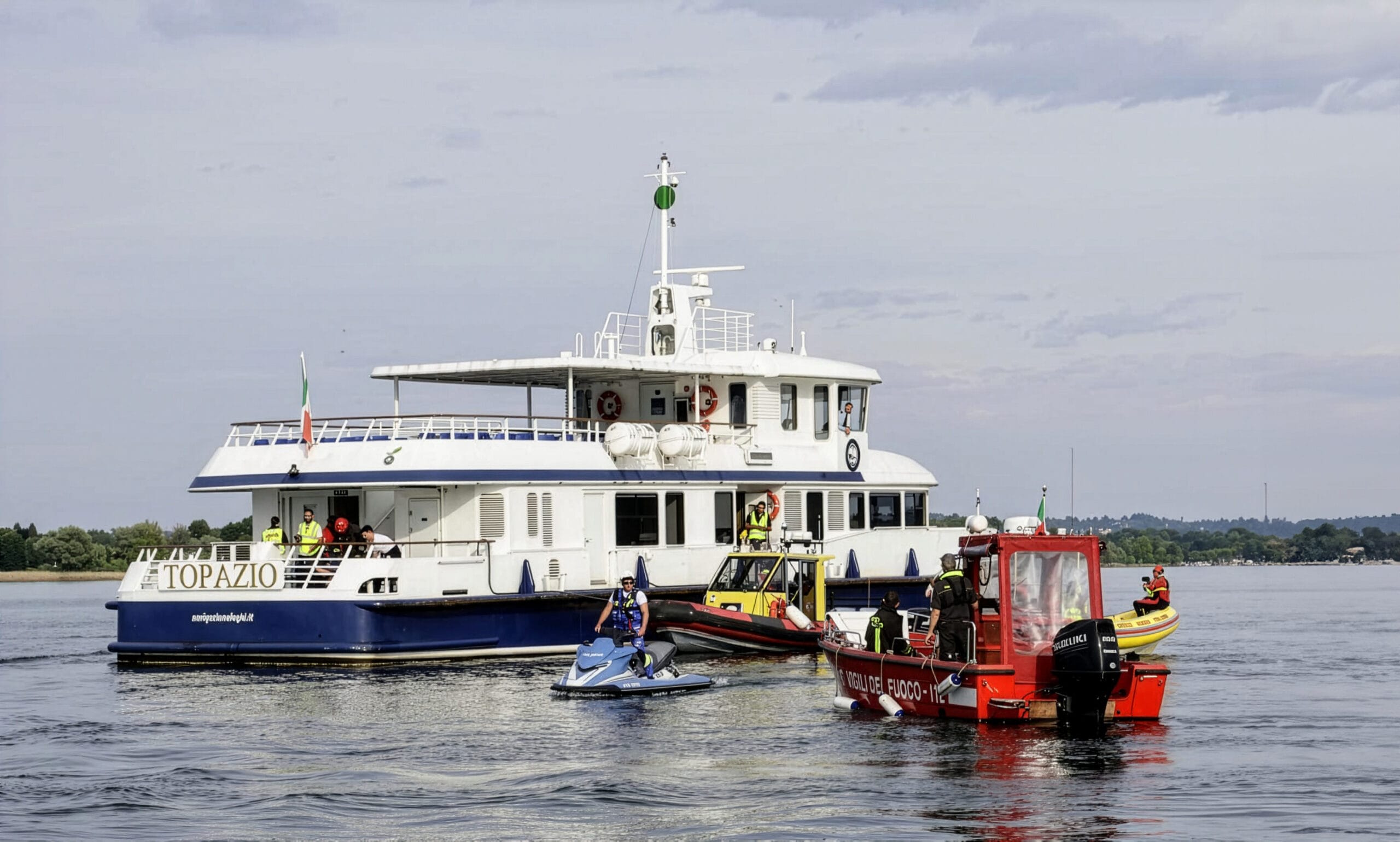
“The work of Ente Governativo Gestione Navigazione Lago Maggiore fits into an ongoing inter-institutional synergy context designed to foster the development of integrated, sustainable and safe multimodal transport”, he goes on. “In this respect it is important to reiterate our commitment to the highest possible security levels, navigational safety and prompt and effective water rescue, in step with the local tourism development designed to enable the lake to be lived to the full, by all the relevant bodies – the state, Carabinieri and Guardia di Finanza police forces, the fire brigade and the coastguard – which have reinforced their presence on the lake in recent years, and are co-ordinated by the local prefectures in conjunction with Ente Governativo”, adds Francesco Garsia.“Last year’s complex maxi-emergency water simulation drills on the lake in Dormelletto, in co-operation with Università del Piemonte Orientale’s Master in Catastrophe Medicine and the army, testify to the joint working and integration between the various players, in the context of which an Ente Navigazione Laghi motorboat was used to test the full and prompt operational efficacy of the Lake Maggiore accident rescue system, implementing the S.A.R. Protocol,“ specifies the Novara Prefect. “The dialogue and constant discussion method, which Ente Navigazione Laghi takes part in, constitutes an effective model of co-operation – in line with the respective responsibilities of the bodies involved – in a process of ongoing organisational improvement and honing in the name of collective security”, concludes the Prefect.