
The Ghirardi Botanical Gardens in Toscolano Maderno are home to more than 400 species of medicinal plants from all over the world and visitors can learn more about the importance of scientific research as applied to the botanical world here
The Brescia side of Lake Garda is home to a little floral haven, a full-blown biodiversity treasure trove. The Giordano Emilio Ghirardi Botanical Gardens in Toscolano Maderno provide visitors with a chance to admire the wonders of nature from close to, and gain an appreciation of the importance of scientific research as applied to the botanical field. It is a green space which covers a hectare of land and hosts more than 400 medicinal plant species from all over the world, especially China, South America and South Africa, but also Mediterranean as well as tropical species for which the mild lake climate is an optimal habitat.
The Brescia side of Lake Garda is home to a little floral haven, a full-blown biodiversity treasure trove. The Giordano Emilio Ghirardi Botanical Gardens in Toscolano Maderno provide visitors with a chance to admire the wonders of nature from close to, and gain an appreciation of the importance of scientific research as applied to the botanical field. It is a green space which covers a hectare of land and hosts more than 400 medicinal plant species from all over the world, especially China, South America and South Africa, but also Mediterranean as well as tropical species for which the mild lake climate is an optimal habitat.
History
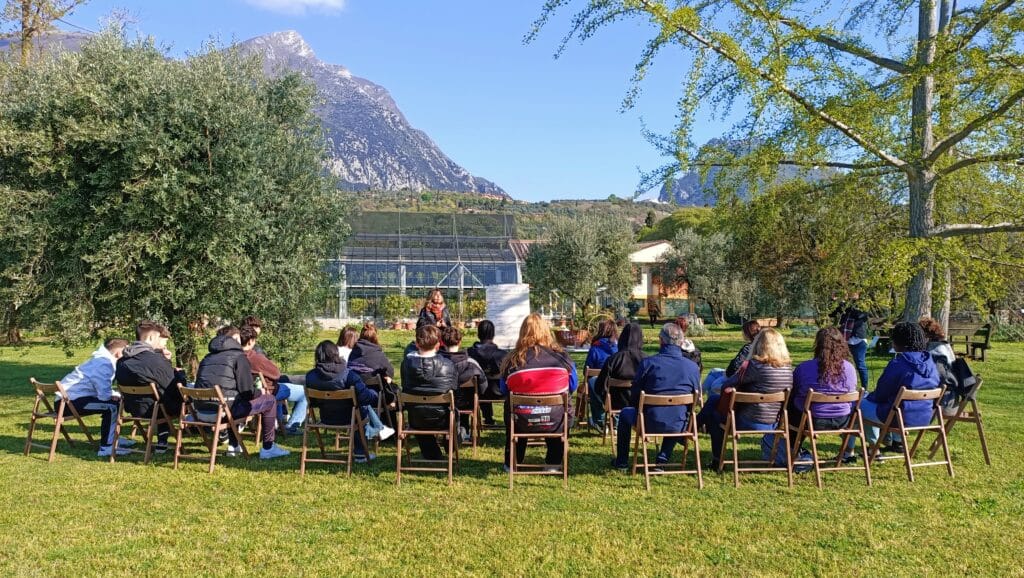
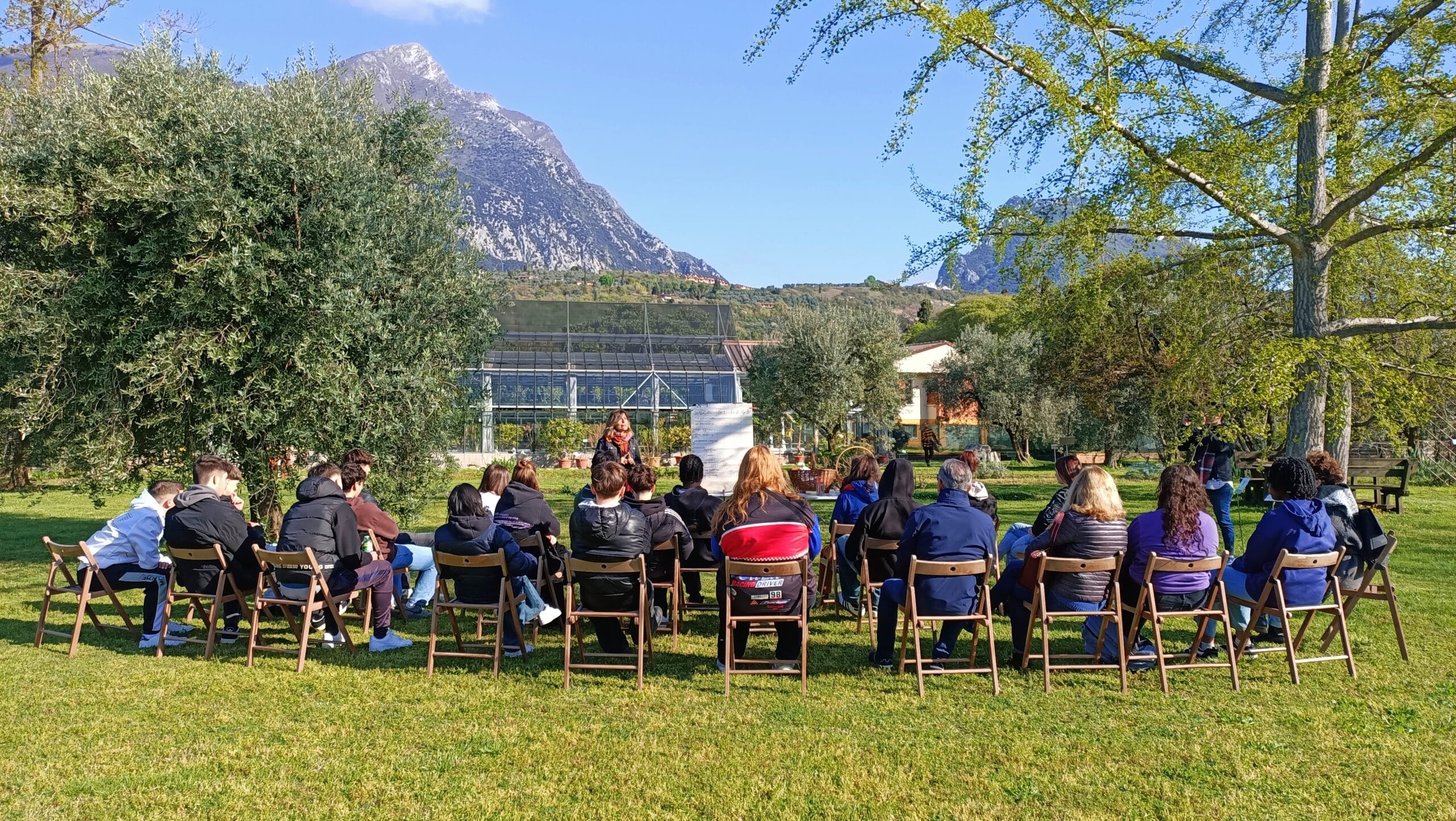
The gardens date back to 1964 when they were set up at the behest of Giordano Emilio Ghirardi, owner of Milan pharmaceutical company Società Italiana Medicinali e Sintetici, whose aim was to study medicinal plants from all over the world, especially those of use in combating heart disease and cancer. When Ghirardi died in 1991, the gardens were left to Università degli Studi di Milano on one condition: that the gardens’ medicinal plant research and study focus would not be changed. Since then the university has improved and modernised the gardens, equipping them with a greenhouse for the exotic species, the citrus trees and other delicate plants. The gardens’ flora has also been extended via exchanges with other botanical gardens meaning that species from the Lombard and Alpine foothills areas have been brought in. Today the Ghirardi Botanical Gardens are open free of charge to visitors from mid April to mid October, and via appointment in the rest of the year. Visitors are free to wander along the gardens’ avenues with their flowerbeds, observing their great variety of plant species, following certain themed paths or opting for a guided visit. There are also workshops and events as well as educational opportunities for all school ages.
The collections
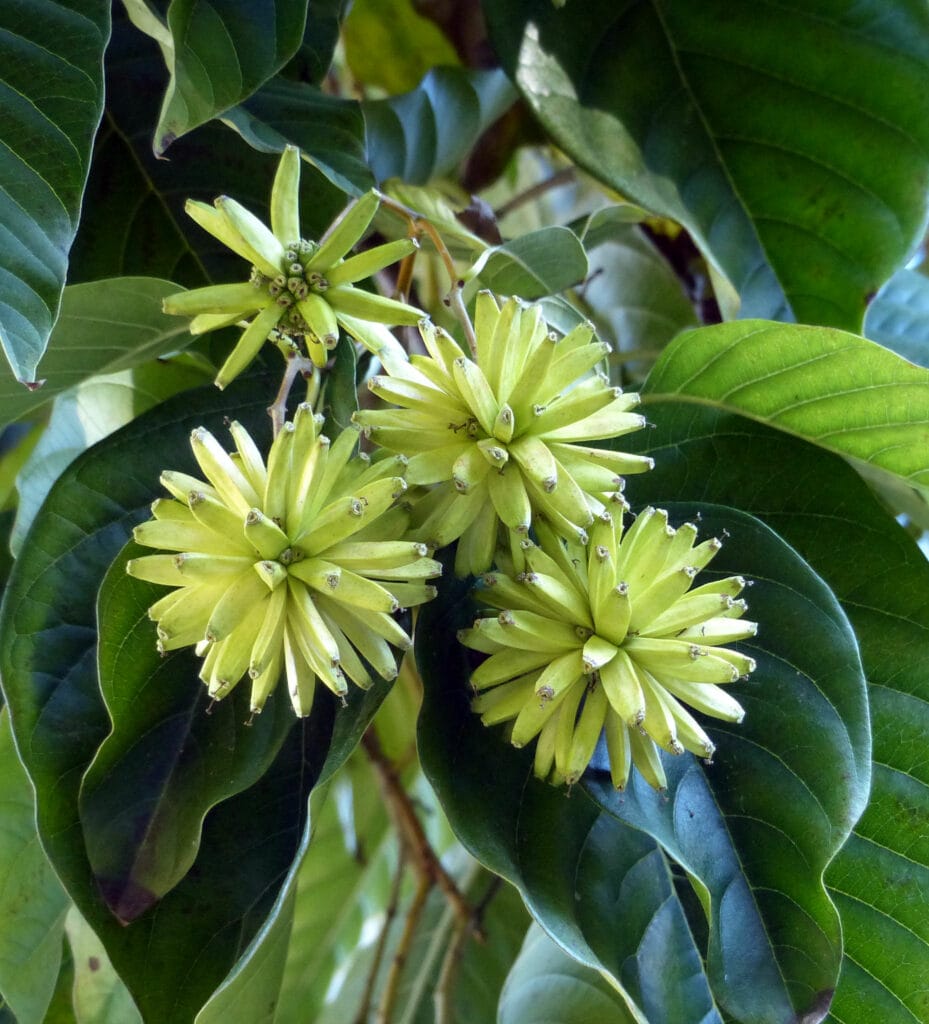
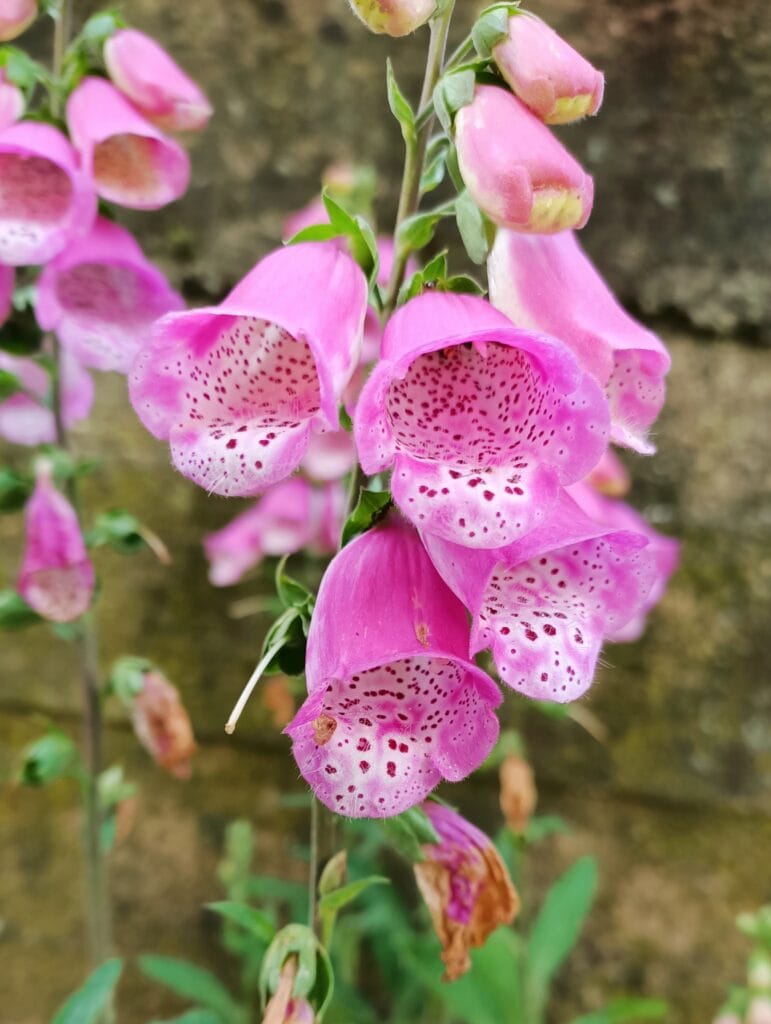
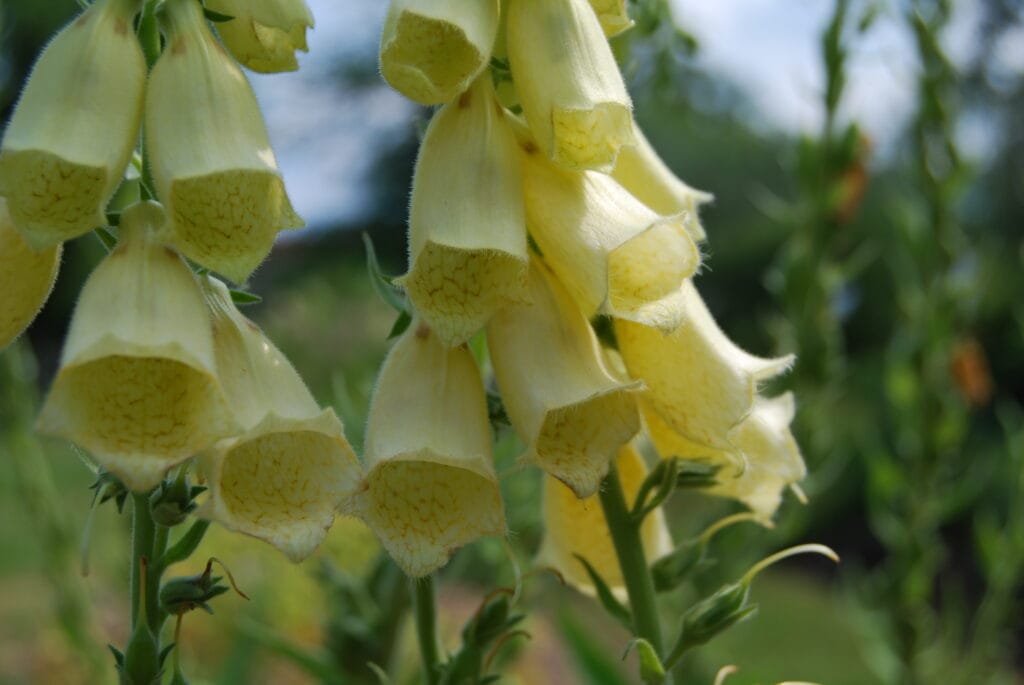
As we have seen, the gardens’ focus is on medicinal plants used in pharmaceuticals and herbal medicine for the production of medicines. These Toscolano Maderno gardens contain species from the Solanaceae, Apocynaceae, Apiaceae, Lamiaceae and Rutaceae plant families. The Digitalis collection, known for its medicinal properties, is especially interesting as Università di Milano has fully reconstituted this after the original collection was lost. But the Ghirardi Botanical Gardens’ symbol plant is definitely Camptotheca acuminata, known for its cancer-treatment properties. This was brought over from China and first planted in Italy here at the gardens.