
A Vigezzo valley village’s incredible landscapes and cultural attractions
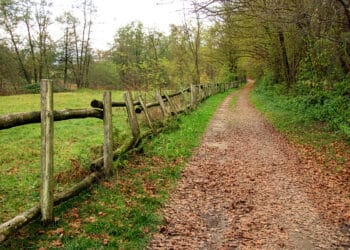
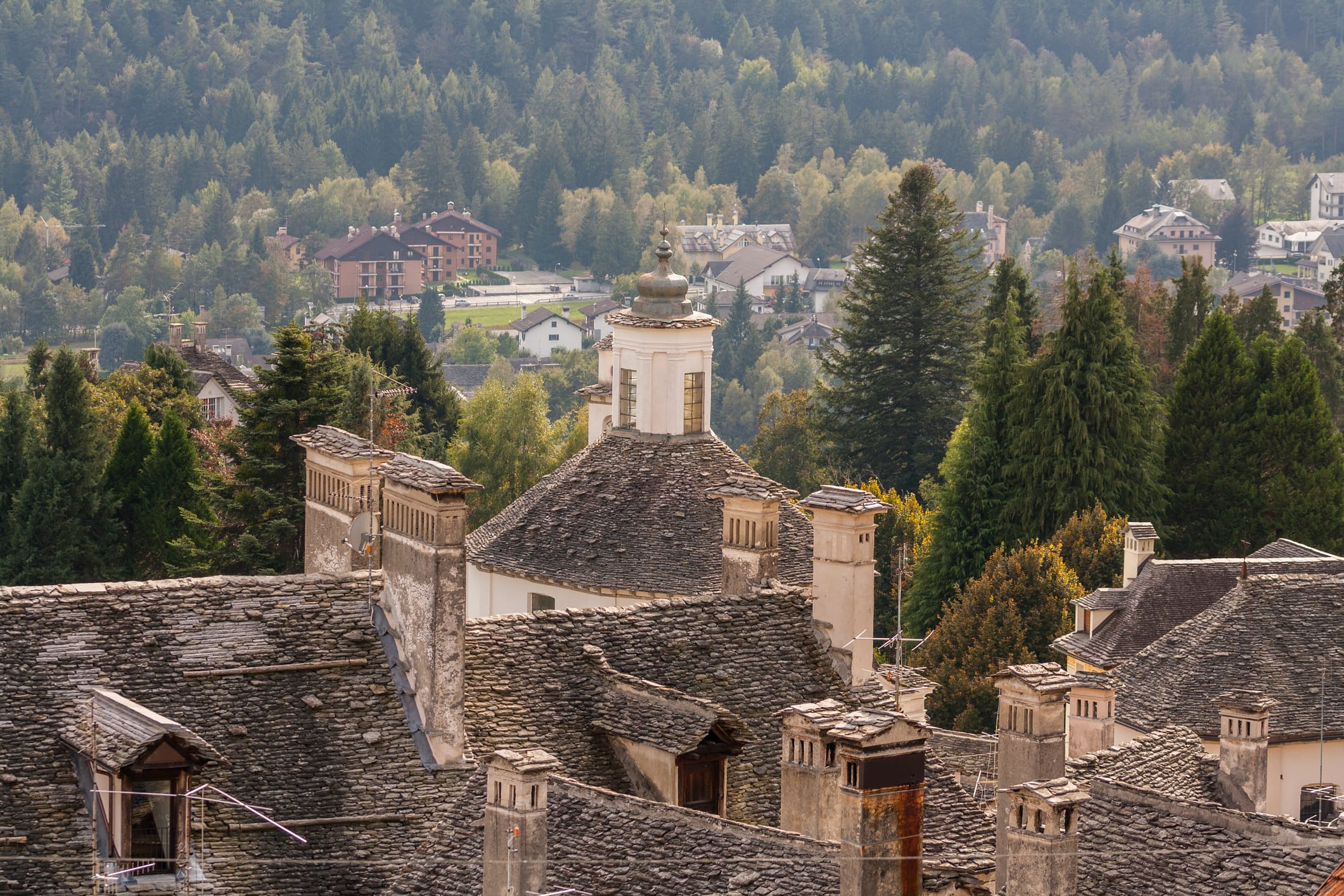
In a hollow at an altitude of just over 800 metres and very close to the Swiss border, Santa Maria Maggiore is between the upper section of Lake Maggiore and the Toce River. It is one of the Vigezzo valley’s most famous tourist towns, also known as the painters’ valley for enchanting and evocative landscapes which have inspired a great many artists. In winter it is very popular with skiers and snowshoers looking for a still pristine snowy natural for their excursions and views ranging from the peaks of Parco Nazionale della Val Grande to the Monte Rosa massif. In spring and summer it is the trailhead for trekkers in search of unforgettable views from trails in the midst of beech woods and pastures, splendid little churches and huts.
Santa Maria Maggiore is a village with a great deal to offer outdoor sports lovers and nature lovers in general, but there is much more to it than this. It has stories to tell and is custodian to ancient traditions conserved in a series of museums ranging from Museo dello Spazzacamino (the chimney-sweep museum), the Casa del Profumo Feminis-Farina perfume museum and the Pinacoteca della Scuola di Belle Arti Rossetti Valentini art gallery.
A One-of-a-Kind Museum
The Museo dello Spazzacamino chimney-sweep museum, in 18th century Villa Antonia, is the only one of its kind in Italy. This interactive and multi-sensory museum explores a profession which was historically and socially crucial to this Vigezzo valley community in past centuries. It is a journey back in time to one of the most fascinating episodes in the valley’s history. By contrast, Casa del Profumo Feminis-Farina commemorates the oldest and most famous perfume in the world, Eau de Cologne. The idea of making Acqua Mirabilis, known for its medicinal properties, into one of the most sought-after perfumes in the world, came from Giovanni Paolo Feminis, who was born in Crana, now part of Santa Maria Maggiore, and emigrated to Cologne. And it was Giovanni Maria Farina, a Santa Maria Maggiore man who moved to Maastricht, who was responsible for trading in and popularising it.
The Pinacoteca della Scuola di Belle Arti Rossetti Valentini art gallery constitutes vivid proof of the reason the Vigezzo is called painters’ valley. Set up in 1954, the museum contains work by local painters such as Giacomo Tossetti, Enrico Cavalli and Carlo Fornara whose work ranged from portraits to landscapes. To enable visitors to delve even deeper into the area’s artistic history, the Fondazione Scuola di Belle Arti Rossetti Valentini foundation the art gallery is linked to offers itineraries which can be done year round and whose illustrative panels give insights into the work and thought of some of the area’s artists.
Places to Explore
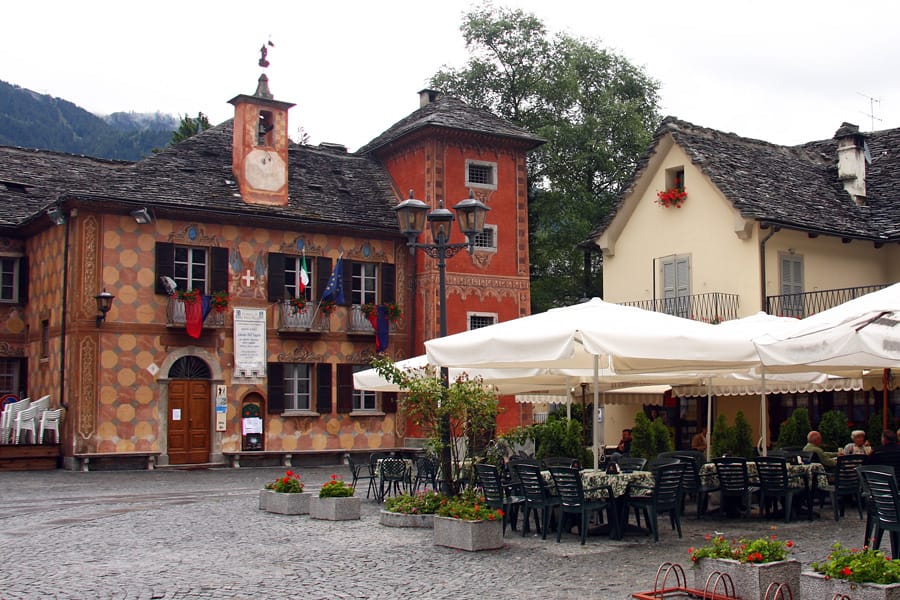
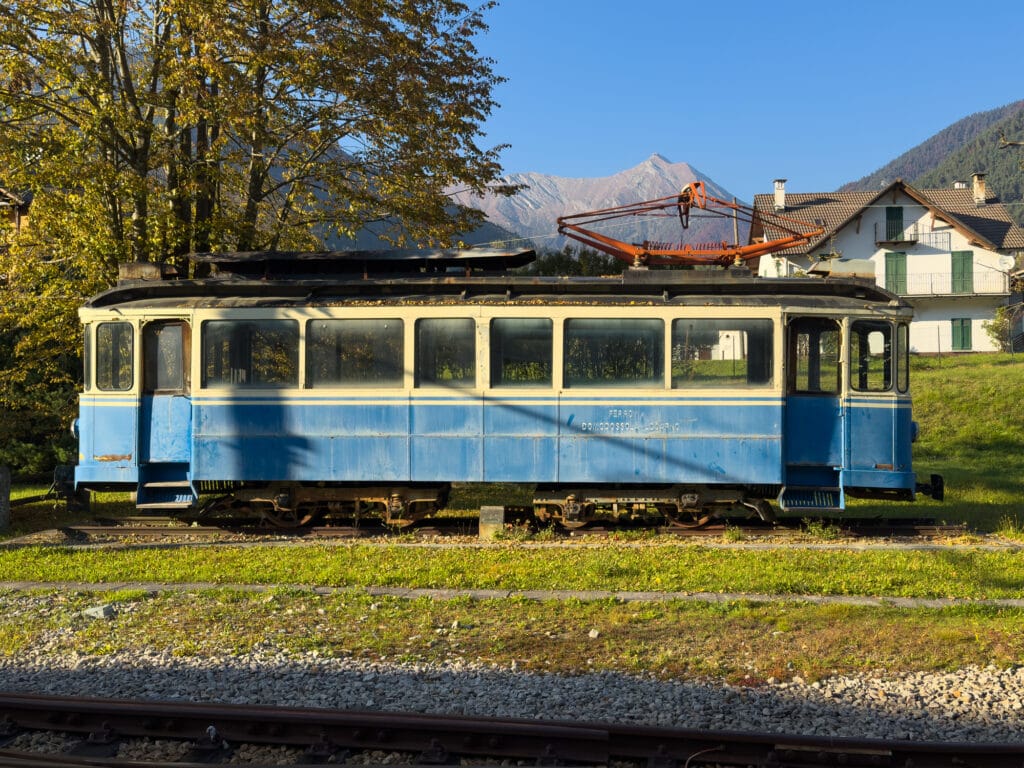
Visitors wanting to get to know Santa Maria Maggiore better may want to visit its other sites of interest too: Parrocchiale di Maria Santissima Assunta, with its interior decorated by Lorenzo Peretti and Giuseppe Mattia Borgnis, considered the unrivalled fathers of Vigezzo fresco painting, Casa mandamentale – now a cultural centre – in Piazza Risorgimento, with its original façade decorations, and the train station. In fact, the famous Vigezzina-Centovalli train line linking Domodossola and Locarno stops here: a 52 km route made up of 83 bridges and 31 tunnels through nature at its most authentic.