
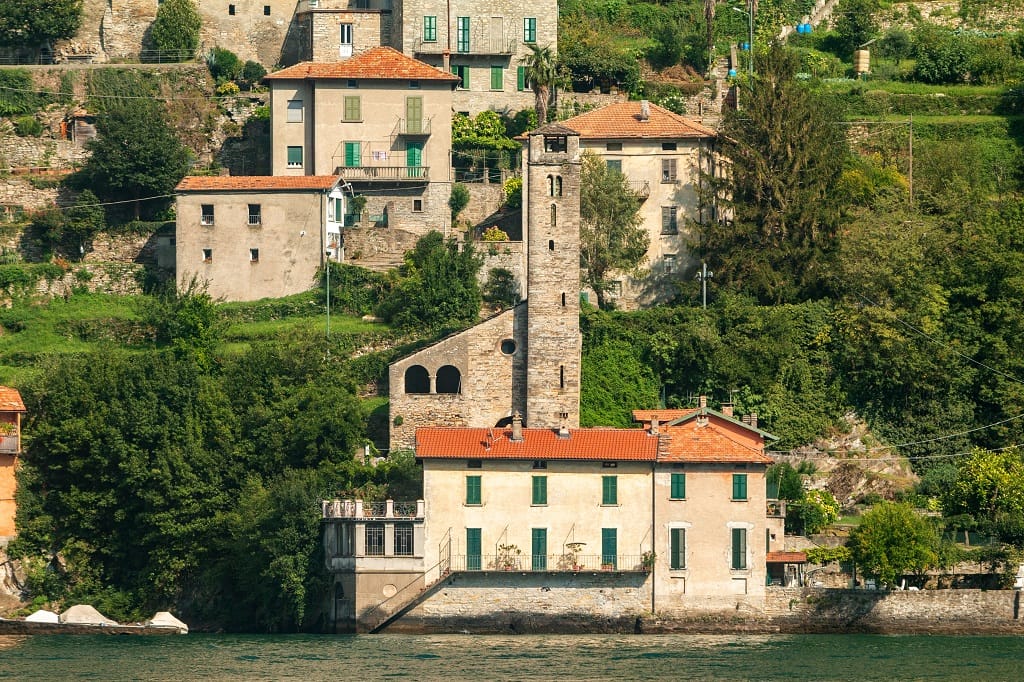
Within easy reach of the medieval village of Careno via an ancient staircase of 300 steps, this 12th century Romanesque gem offers enchanting panoramic views at any time of the year
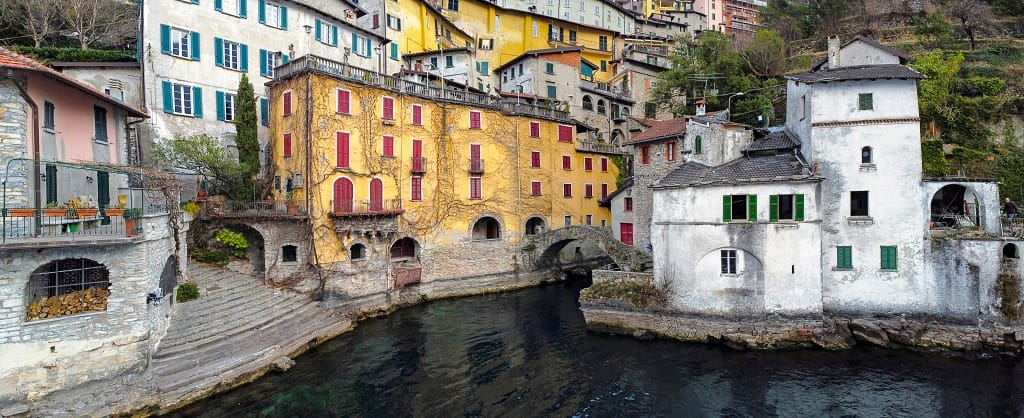
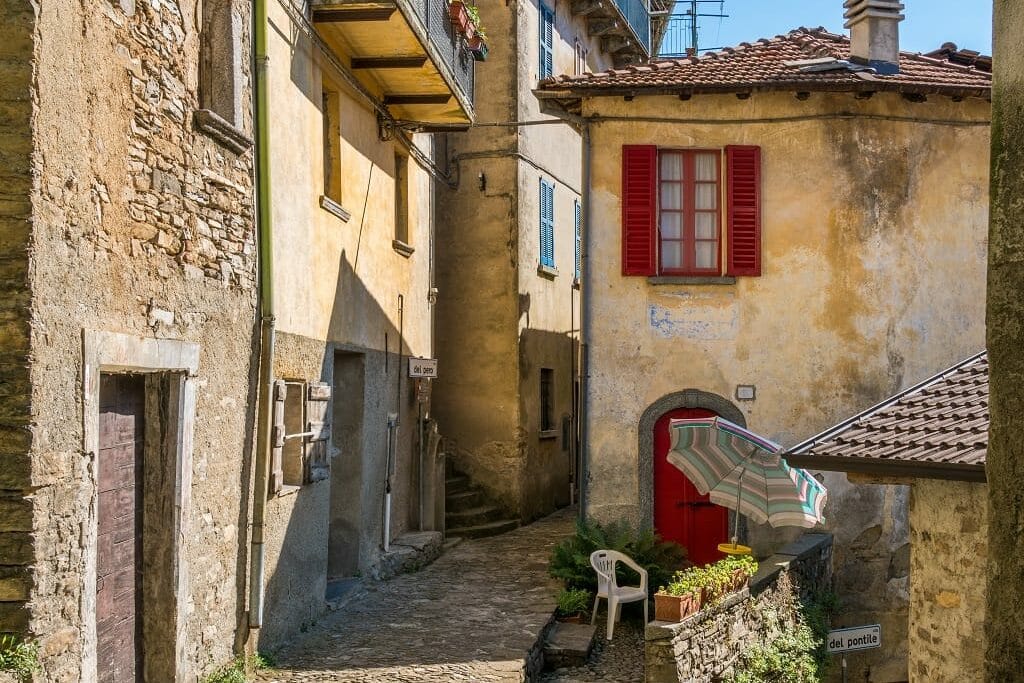
Ahandful of small houses, just over 140 inhabitants, a maze of narrow alleys, and a few hundred steps leading down to Lake Como: Careno is a medieval jewel worth visiting at any time of year. On sunny days it shines with radiant charm, while on rainy ones it reveals its deeper character — with the rivers Tuf and Nosè, once used to power paper mills and watermills, becoming wild and forceful.
WAITING TO BE EXPLORED ON FOOT
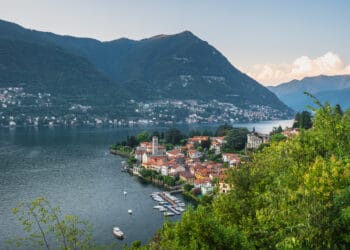
A hamlet of the municipality of Nesso, located between the town centre and the neighbouring municipality of Pognana, Careno is best explored on foot, having left your car outside. To fully enjoy your visit, reach the village directly from the lake by boat, or by road on a bus. This way, visitors can truly savour its timeless atmosphere.
THE JEWEL
The Church of San Martino is one of the village’s most striking religious monuments. Dating back to the 12th century — first mentioned in a document signed by Pope Lucius III in 1184 — it served for centuries as the principal place of worship for the local community. Of Romanesque architecture, it houses a series of 16th-century frescoes that remained hidden for a long time beneath layers of plaster. The figures of the Annunciation, among others, appear in the depicted scenes.
THE MATERIAL
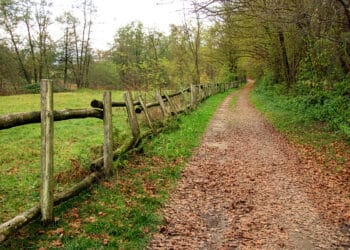
Accessible on foot via an ancient staircase of 300 steps, the Church of San Martino was built from locally quarried stone. The village’s very name, “Careno,” is thought to derive from the Ligurian-Celtic root “Kair” (or the Latin “car”), meaning “stone”.
THE CHURCH OF MARIA ASSUNTA
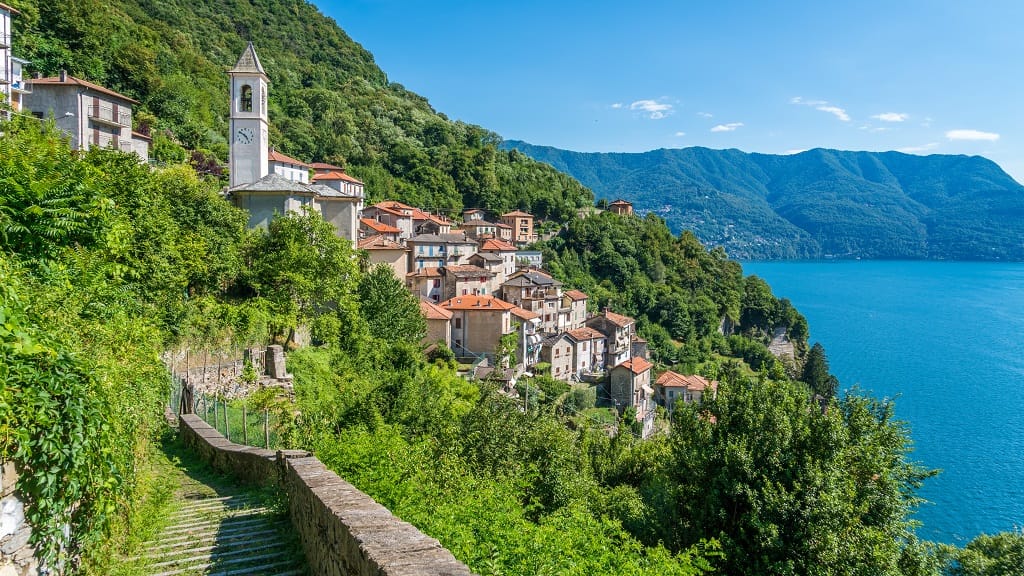
As the population of Careno grew, the Church of San Martino was no longer big enough to accommodate all the faithful. Thus, in the 17th century, construction began on a second place of worship in the village: the Church of Maria Assunta. The facade of the building is divided into three sections in its lower part, marked by decorative pilasters that project slightly from the walls. In the upper portion of the facade, a semicircular arch was built. Its interior is also noteworthy, featuring frescoes painted in 1957 by the artist Pietro Grossi. The stuccoes of the presbytery were first sculpted by artists Francesco and Agostino Silva and then painted.