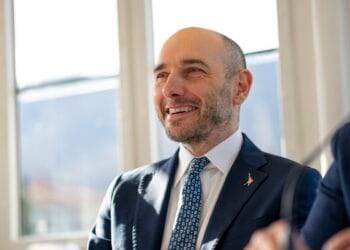

From the Cortina Sliding Centre to the Livigno Snow Park, Extraordinary Commissioner Fabio Massimo Saldini discusses the extensive infrastructure model, built to stand the test of time
“With 98 projects to manage across three regions and seven Olympic sites, we are not just building infrastructure: we are creating a widespread development that will remain available to communities long after the Games have ended”. With these words, Fabio Massimo Saldini, the Government’s Extraordinary Commissioner for the Milano-Cortina 2026 Olympics and CEO of Simico, presents the work carried out under his leadership over the past months.
“Simico manages 98 projects, 51 of which concern infrastructure and 47 focusing on sports facilities, with a total value of €3.5 billion,” he explains. “In just over 20 months since my appointment as commissioner and CEO, all 31 venues required for competition have been delivered 100% complete The work carried out reflects the commitment and determination of all the people and institutions involved. Milano-Cortina 2026 is not only an international showcase for sport, but it will also leave a tangible legacy for the locations involved.
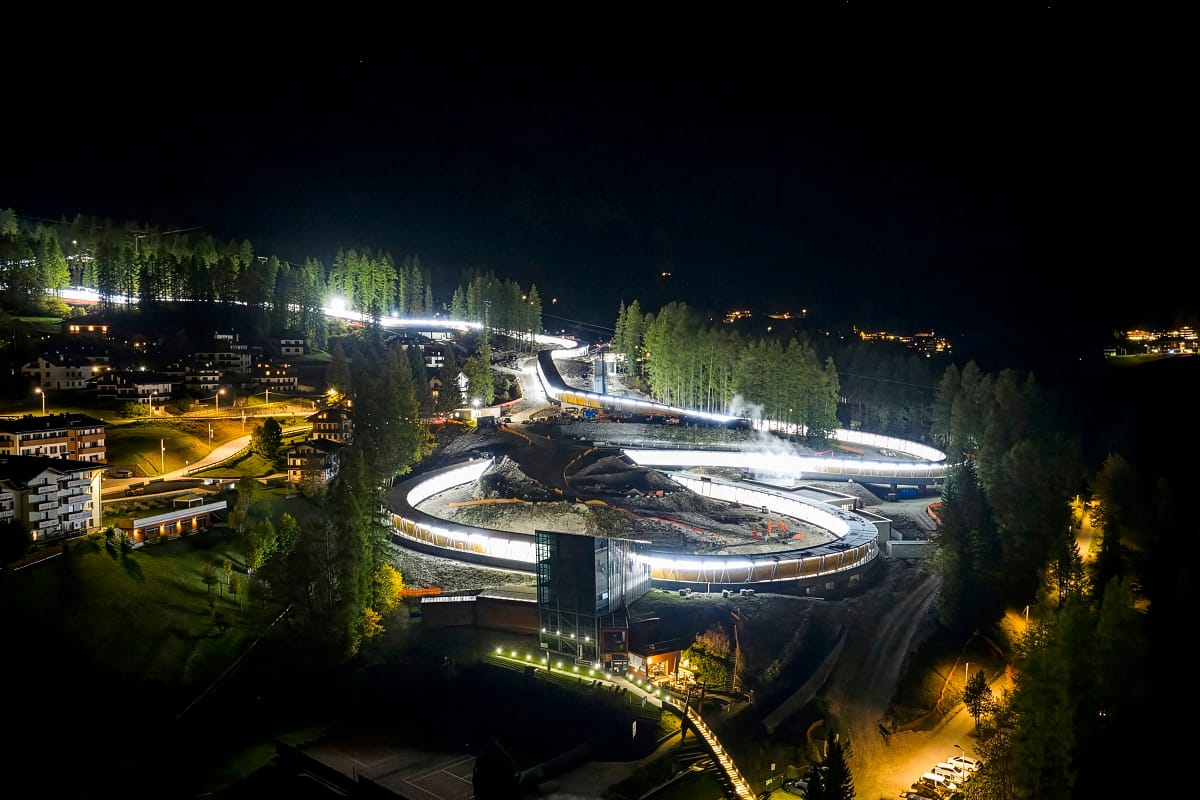
From a strategic perspective, for example, the Cortina d’Ampezzo bobsleigh, skeleton, and luge track, revitalised along its historic early-20th-century course, will remain a lasting asset. By implementing 31 modifications during construction, in just 305 days and with over 135 professionals working daily, we created a track that is already achieving sporting success, with records set in bobsleigh, skeleton, and luge.
In Valtellina, the Livigno Snow Park is a true technological marvel, featuring five race tracks all converging on the same finish area. It is served by an artificial snow reservoir capable of producing approximately 28,000 m³ of snow per day. This will remain a lasting legacy for the local area, as will the reservoirs in Anterselva and Bormio. Not just sport: we have completed the Bormio roundabout and the Cortina bypass, improving traffic flow during both the Olympic period and beyond; we are making the Verona Arena accessible to everyone by overhauling the seating area, installing a lift, and upgrading ramps and railings; and we have just launched the bidding process for the Longarone Bypass, a project eagerly anticipated by the community for more than 40 years.
The Games have acted as a catalyst, mobilising resources, people, and vision to modernise not only infrastructure, but also mindsets, perspectives, and opportunities. In conclusion, I can say with confidence that Milano-Cortina 2026 will be remembered not only for the Games themselves, but for the projects completed, the model we have built, and the legacy we are leaving for future generations.