
From the first steamboat routes of the early 19th century to the Government Navigation Authority — a tradition in continuous evolution
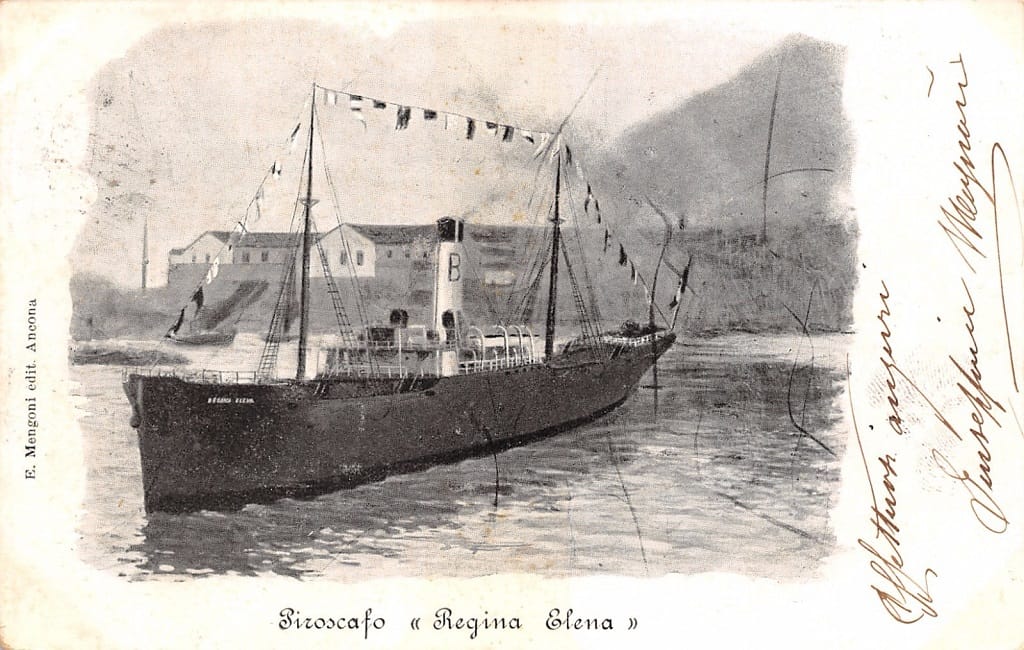
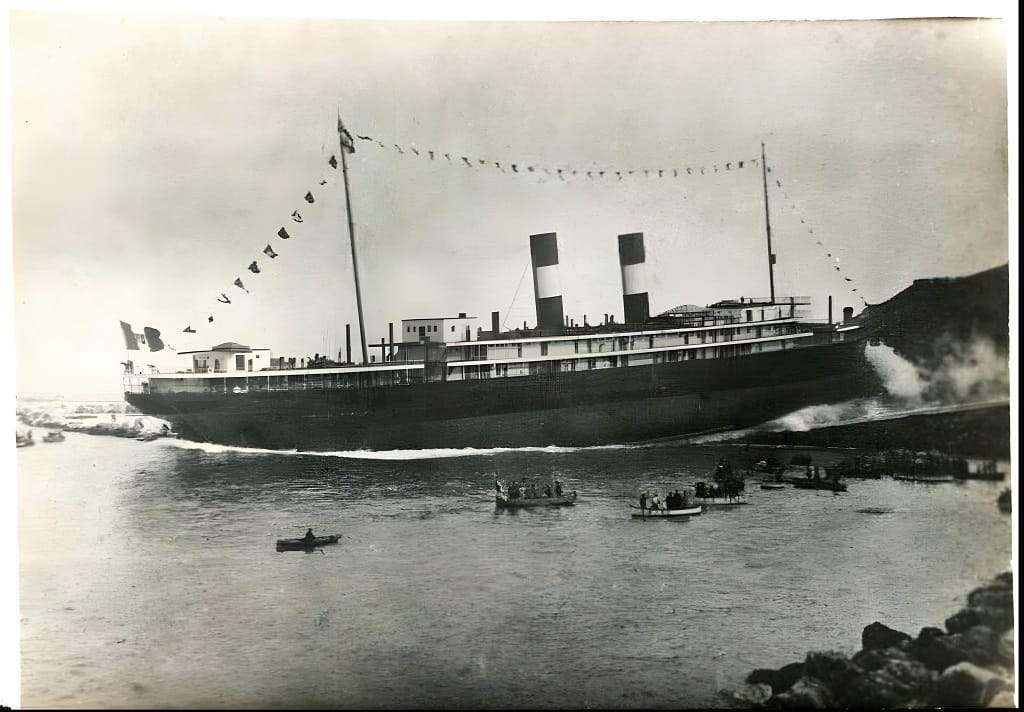
In the first half of the 19th century, when roads were slow and winding, water became the fastest way to connect communities. The first steamships — the Verbano on Lake Maggiore, the Lario on Lake Como, and the Arciduca Ranieri on Lake Garda — sailed on the waters between 1826 and 1827, opening the modern era of lake navigation. Within a few decades, wooden boats gave way to iron hulls, elegant lounges, and increasingly powerful engines. Navigation became an essential public service: transporting passengers, goods, and even mail, with postmarks applied directly on board.
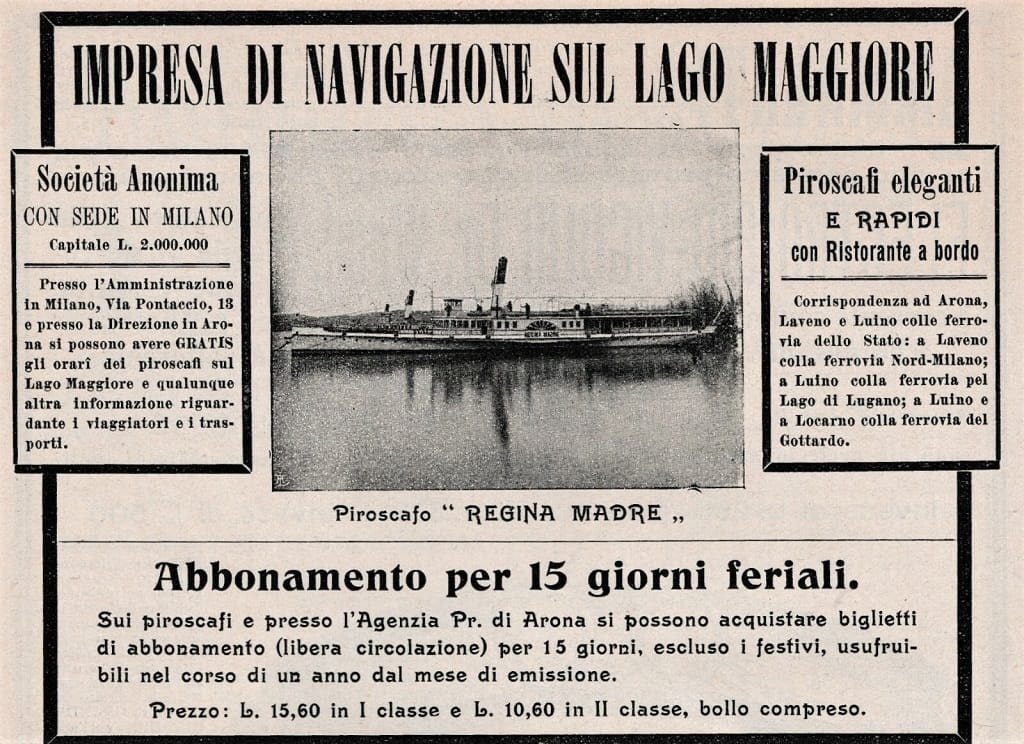
After the hardships of the Second World War, in 1948 the private concession holders gave up their operations to the State. Thus the Gestione Governativa Navigazione Laghi (Governmental Lake Navigation Management) was officially established in 1957, successfully ensuring continuity and technological progress. Today, the Authority manages a fleet of 99 vessels — motorboats, ferries, catamarans, and hydrofoils — serving over 30,000 passengers daily and more than 11 million each year. Two centuries later, these lakes remain not just stretches of water, but living routes of connection and memory — pathways of progress that still link shores, people, and stories today.