
Elisa De Berti, regional vice-president, explains how infrastructure and attractive itineraries can make cycling an integral part of the local tourist experience.
Over 9000 kms of cycle tracks and itineraries along lakes and through hills and historic towns. There is nothing accidental about the fact that Veneto is considered Italy’s number one bike-tourism region. We talked about it with Elisa De Berti, vice-president of the Veneto Region.
Why might we consider Veneto Italy’s number one bike-tourism region?
“Because we have 9000 kms of cycle tracks, 3000 of which are only for bikes, and our infrastructure, landscapes and cycle-specific services attract growing numbers of cycle tourists. In addition to this, a grand total of five of the ten National Tourist Cycle Track System itineraries pass through Veneto: Ciclovia Veneto, Ciclovia del Sole, Ciclovia del Garda, Ciclovia Adriatica and Ciclovia Trieste–Lignano Sabbiadoro– Venezia. So, don’t just take our word for Veneto being Italy’s number one bike-tourism destination. It’s a fact based on figures, a huge range of cycle tracks and real investment. It’s also an opportunity to make cycling not just a leisure pursuit or a day out but an integral part of the local tourist experience. Anyone opting for a bike trip in Veneto is exploring not just its historic sites and landscapes but also a territory on the move, investing in sustainable mobility for visitor and community wellbeing”.
Which cycle tracks pass through the Lake Garda area?
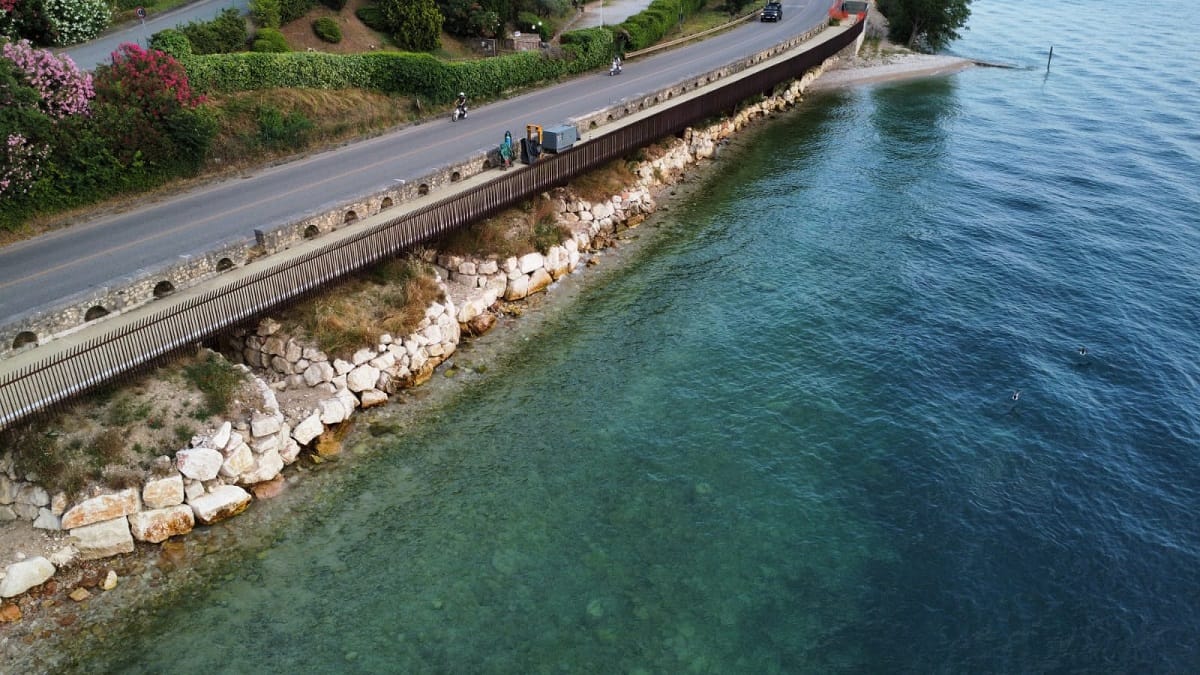
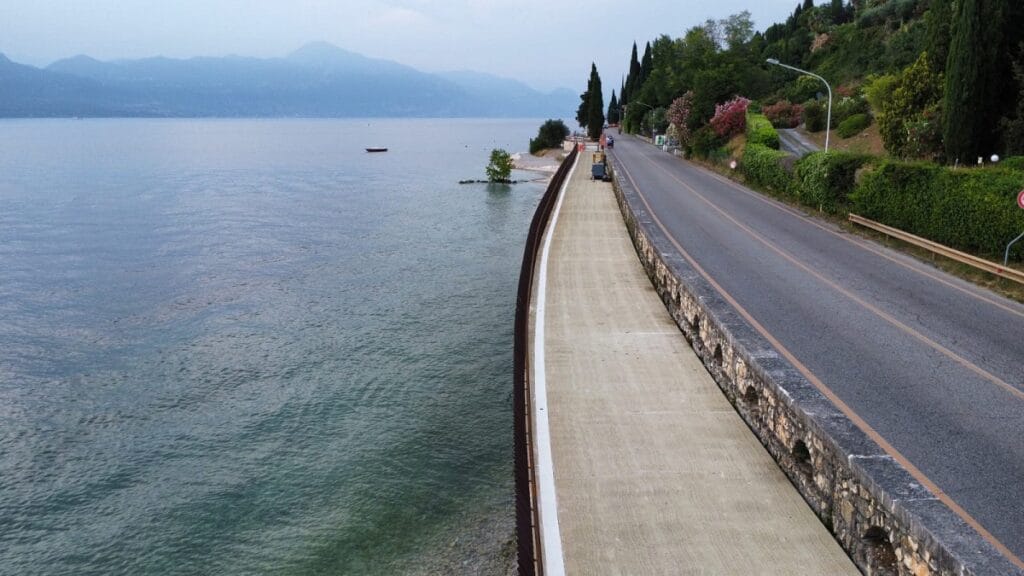
“There are two in particular: Ciclovia del Garda and Ciclovia del Sole. The first of these is an around 165 km itinerary which takes in the whole of Lake Garda. Its Veneto section is 67 km long and crosses urban and non-urban areas, hills, lakeside promenades and historic town centres. It links up the area’s main amusement parks – Gardaland, Caneva World, Movieland – and covers eight Verona town council areas: Peschiera del Garda, Castelnuovo del Garda, Lazise, Bardolino, Garda, Torri del Benaco, Brenzone and Malcesine. Unlike other Italian cycle tracks which use embankments and low traffic roads, Garda’s is almost all on cycle tracks, and thus protected from the traffic on the 249 Gardesana Orientale regional road.’ The cycle route is also a practical response to the problem of the dangers of the Gardesana Orientale road with its high accident rates which have been endangering the lives of pedestrians and cyclists for years. The new protected route separates slow-moving traffic from vehicles, thereby drastically reducing the risks. It’s a project which combines landscape safeguards, economic development and safety, making Garda a European sustainable mobility benchmark”.
And where does Ciclovia del Sole (Verona-Florence section) pass through Veneto and what is it like?
“Ciclovia del Sole goes through five towns in Verona province – Sommacampagna, Sona, Castelnuovo del Garda and Valeggio sul Mincio – a total of about 27 km. It starts in the centre of Verona, in Piazza Brà, follows its town cycle routes (some of which are mixed, other bikes only), continues on the Terre del Custoza loop and ends up on the River Mincio in Salionze, in the town of Valeggio sul Mincio. Its landscapes are those of Garda’s moraine hills, vineyards, historic farmhouses, Risorgimento battle sites and buildings of historic and artistic importance. There are other cycle tourism itineraries in the towns it passes through, in natural environments of great beauty”.
In a nutshell, what does cycling in Veneto mean?
“It means exploring an area which invests in sustainable mobility, in which cycling is not simply a leisure pursuit but an integral part of the tourist experience. It’s an opportunity to explore historic sites, landscapes and communities which believe in green tourism, safe slow tourism and intermodality.
The Veneto region is investing in integrated bike-boat-train mobility to make Lake Garda increasingly cycle-tourist friendly. And adding a last important figure: there are 6500 bike spaces available on Veneto’s regional trains every day, 25% of the 25,000 places offered by the Italian rail network as a whole”.